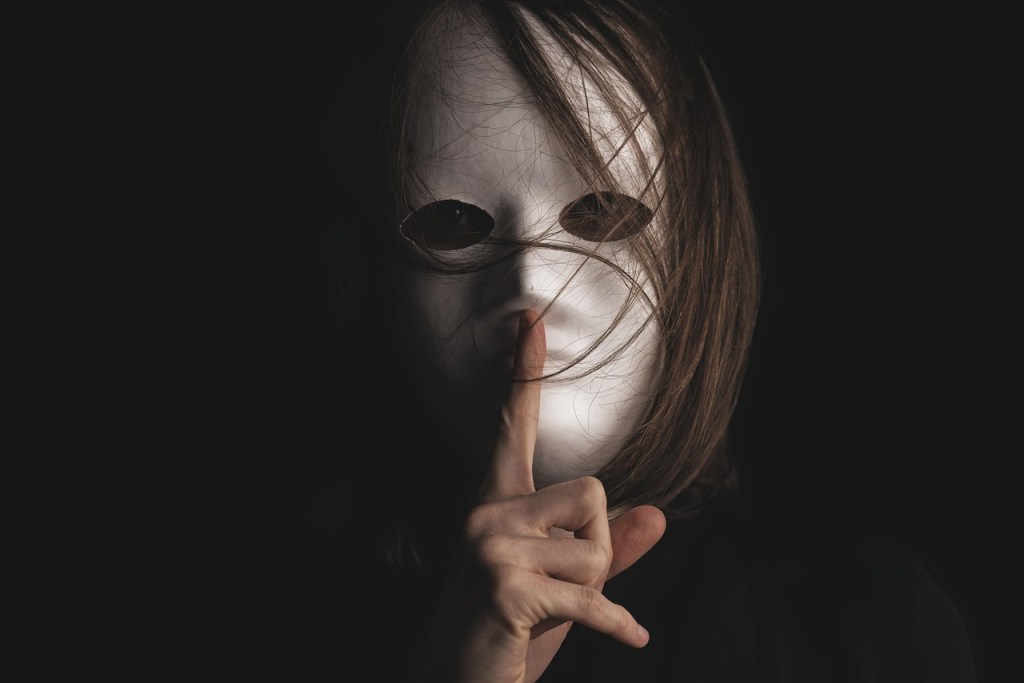
I’ve recently found myself reflecting more deeply on this topic — not only through personal experience but also within the broader context of history.
If we look back through time, the silencing of women has taken many forms. From the persecution of female healers, midwives, and wise women branded as witches — hunted and executed for their knowledge and power — to being treated as property in arranged marriages made for wealth and status. The suppression of women’s voices and autonomy has been woven through centuries of child abuse, domestic violence, workplace bullying, and societal exclusion.
After the Second World War, many women who had stepped into essential roles during the conflict were pushed back into narrowly defined domestic lives. When some resisted, spoke out, or struggled with the restrictions placed upon them, they were pathologised — labelled as suffering from “hysteria,” institutionalised, medicated, and dismissed. Education, politics, medicine, and leadership positions were, for generations, gatekept from women, reinforcing a pattern of silencing.
This is not a history confined to the past.
Recently, in my own life, I was on the receiving end of a demand from a man to remain silent. I was told my feelings and experiences were “shit and crap,” and casually asked if I was “having a mental breakdown.” The echo of that old, patriarchal diagnosis — hysteria — felt unmistakable.
It left me wondering: was this an isolated individual’s discomfort with hearing my truth, or a reflection of a much deeper, longstanding pattern embedded within our culture?
Either way, I don’t respond well to demands, and no — I did not remain silent.
It made me reflect on why, when women make up half the population — the very half without which these men, or indeed any of us, would not exist — there remains a need in some quarters to silence women’s voices.
Is it the fear of discomfort? The loss of control? The challenge to long-standing narratives?
I don’t claim to have answers. In my case, I was ignored, dismissed, and left unheard. But what I do know is that the silencing of women must end. It has cost us too much, for too long.
And perhaps, in refusing to be quiet, we begin to unravel the very systems that rely on our silence.
📌 Food for Thought:
When have you felt the demand to stay silent?
What might have changed if you’d spoken your truth?
“Our silence will not protect us.”
— Audre Lorde
Cheers, C 💜

 Cheryl O'Connor