Beyond the To-Do List

For many of us, simply being present, fully here, right now, is one of the greatest challenges we face. In Western culture especially, we’re conditioned to think in linear terms: past, present, future. We track what has been, plan what’s next, and often measure our lives by where we’re going and what we hope to achieve. We make lists, set goals, and feel comforted by having a plan. But underneath it all, we may be reacting not to what’s real, but to a story we’ve told ourselves about how things should go.

My mum, bless her, was the Queen of Organisation. With four children and a job, she had to be. Each of us had assigned chores, and our weeks were structured down to the minute. I grew up knowing exactly what I’d be doing, and when. While life still threw curveballs, I found the predictability comforting. When I became a mother myself, I quickly saw how being organised helped ease stress, and that habit carried over into my work life.

Over three decades in the legal industry only reinforced that rhythm. Planning ahead, meeting deadlines, staying in routine, all of it created a sense of order in what was often a stressful environment. But over time, the rhythm became a rut. I began to feel stuck, drained of joy, and quietly suffocated by the very structure that once kept me afloat. I also realised that when organisation becomes too rigid, it stops being helpful. It becomes control.

As I deepened in awareness, I started to sense that time, at least as we know it, might not actually exist. That all time is now. That things unfold not when we want them to, but when the energy aligns. And from that perspective, life became gentler. I stopped expecting things to go a certain way, and with that, emotional reactions softened. I found myself detaching, from outcomes, from expectations, from old habits of control.

I made fewer plans. “Going with the flow” evolved into being the flow. I became more spontaneous. I let things go if they weren’t working, and trusted that something better might be waiting to fall into place. The most I now plan is a basic outline, one day at a time. As for those job interview questions like, “Where do you see yourself in five years?”, I’ve come to see them as part of a cultural story that often robs us of presence, creativity, and possibility. How can we know what five years will bring? Sometimes, we don’t even know what the next five minutes will bring.

I learned the hard way: plans rarely go according to plan.

Now, if something I want to do just isn’t flowing, I don’t push it. If the energy is not aligned, I let it be. I’ve noticed how stressed people get when things don’t go “according to plan”, the frustration, the disappointment, the tension it can cause in relationships. But often, those delays or disruptions are gifts. Protection. Rearrangements. Or just not the right time yet. The puzzle pieces aren’t in place. And when they are, everything clicks.

I thought I had this all sorted. Skeletal plan? Check. Present moment awareness? Check. Calendar reminders so I didn’t forget the essentials?  Check. It was working beautifully, until one day when I found myself in a situation where communication had been unclear, and I didn’t know what I was “meant” to be doing next. I’d been told one thing, then it suddenly changed. I felt confused, unprepared, and frustrated.

Old habits kicked in: irritation, storytelling, the mental narrative of how it should have been communicated differently. And underneath it all, discomfort. My little comfort zone, small as it was, had been nudged.

Then came the gentle wisdom of another: Does it really matter what you are doing next?

In that moment, I had to laugh. Who was creating the confusion? The person who hadn’t communicated clearly? Or me, reacting to a story in my head, projecting into the future, and leaving the present moment behind?

It was such a simple lesson, offered in such an effective way: Just show up. Be present. Do what’s needed in the moment of now. Let go of the rest.

© Cheryl O’Connor, 2025. All rights reserved.
Please do not reproduce without permission. Sharing with credit and a link is welcome.

Energy, Awareness & the Power of Healing Connection

A serene figure outlined against a cosmic background, radiating light from the heart, symbolizing energy and spiritual healing.

One very profound thing my life has shown me is that all consists of energy vibrating at different frequencies — or what some may call “levels.” What appears to our logical, in-this-reality minds as solid and separate is, in truth, far from it. Basic science tells us that everything is made of atoms vibrating at different speeds. Quantum physics has gone even further, helping us understand that the solidity we perceive is not absolute. Consciousness is not limited by physical boundaries, nor by distance, nor by the illusion of the solid.

Where our attention and focus go, our energy flows. Music is a perfect example — its energy moves us, often literally. When sound is resonant and focused, it becomes a healing force. We feel it, and we dance.

Many of us have experienced how focusing on negativity seems to attract more of it, and the same goes for positivity. Our thoughts generate emotions, and our emotions generate energy. Change the thought, and you change the feeling. Feel the energy of an emotion, and it transforms. When released, it no longer holds power in the body — and in that transformation, we are no longer stuck. Blocked energy is a major contributor to illness and dis-ease. And dis-ease, at its root, is often simply the absence of ease within the Self.

Consciousness Beyond the Body

In conscious or active dreaming — sometimes called lucid dreaming, shamanic journeying, or astral travel — we become acutely aware that our consciousness is not confined to the body. In these states, we may fly, fall, or shape-shift. We may become animals, trees, mountains. We may walk through walls or explore “past” lives in bodies unfamiliar yet deeply known.

These experiences show us that we can merge with other energies, meet other beings — even interact with Souls who have passed on. In this space, time bends. Logic dissolves. And healing becomes possible on levels we often cannot reach in waking life.

I have found that when emotional resolution isn’t possible in physical reality, it can often be achieved through dreaming. Peace can be found. The nervous system can reset. The soul can breathe again.

Reiki and Seichim: A Personal Path

Most people are familiar with Reiki. Seichim, however, is less well known. I have received beautiful Reiki sessions that released energy gently or allowed me to drift into states of deep rest. But Reiki on its own, compared to the combined energy of Reiki and Seichim, is like comparing a torchlight to a spotlight. The combined energy is far more powerful.

Reiki is known as the wave of energy flowing in. Seichim is the wave flowing out.

Seichim is rooted in the teachings believed to have originated in Ancient Egypt (Sekhem), carried forward through Buddhist monks into India, and translated into Sanskrit. The hieroglyphic symbols for this energy are etched into pyramid walls and tombs. Sekhem is the domain of the lion-headed Goddess Sekhmet — both destroyer and healer. Kwan Yin, Goddess of Compassion, is associated with Seichim.

Like Reiki, Seichim can be practiced hands-on or from a distance. It is deeply feminine in nature — gentle, but direct. It addresses core patterns and beliefs, clears subtle body imprints, and helps restore physical, emotional, and spiritual health. As a tool for self-transformation, it accelerates personal evolution and brings us back into alignment with our fullest potential.

I have witnessed things during sessions that can only be described as miraculous. My hands often become hot, and I sometimes receive clear visions for the person I’m working with. These sessions are sacred. I never set an intention beyond asking that the session bring what is needed for the highest good.

My Story: Healing Through Energy

I once suffered for 18 years with a knee injury from a fatal car accident. I had seen specialists, done the rounds. Each told me I’d never regain full use of that knee. Then came my attunement to Reiki and Seichim. During that process, I released emotional trauma I hadn’t even realised I was carrying. And just like that — the pain lifted. I could walk without limping. I could bend my knee fully. It wasn’t subtle. It was transformational and miraculous.

My healing journey began with physical illness and dreams — profound, symbolic, and often startling experiences that reached far beyond ordinary sleep. As I began to work with them consciously, I realised they weren’t just stories; they were guides. They revealed emotional truth, soul memory, and future possibility, and they were the first threads in a much deeper transformation.

That unfolding, and everything it revealed about energy, healing, and connection, eventually led me to write The Promise: A Story of Love & Transformation. The book weaves together personal experience, soul connection, and the often invisible pathways that carry us toward wholeness. If my story speaks to something in you, you may find resonance within its pages too.

“Sometimes, we meet the ones who break us open—not to harm, but to awaken. Love doesn’t always look the way we thought it would, but it always arrives when the soul is ready. And when it does, there is no going back to sleep.”
The Promise: A Story of Love & Transformation

Healing isn’t always about fixing. Sometimes it’s about remembering. Returning to a truth you’ve always carried — that you are energy, that you are held, and that your inner world speaks in symbols, rhythms, and dreams. When you learn to listen, you start to come home.

If you’ve had a dream you can’t shake, a symbol that won’t let you go, or a feeling that something’s calling from beyond logic, follow it. That’s where the real work begins.

Working With Me

If you’re feeling drawn to experience distance healing or explore the symbolic language of your dreams, I offer personal and group sessions.

Session details, pricing, and the booking enquiry form can all be found on the Bookings and Payment page at www.cheoco.wordpress.com. Once your enquiry is received, I’ll be in touch with availability and next steps.

I’d be honoured to hold space for whatever is ready to move, release, or come home within you.

© Cheryl O’Connor 2025

Breathe, Feel, Heal: Remembering the Wisdom Within

“Dreamtime visions speak to me of the truth within,

Wisdom, Healing & Knowledge of Self to me they bring,

Helping me to know the true essence of my Soul,

enabling me to consciously experience

I AM …. One with the Whole.”

There is a life force running through all things. Some call it God, Spirit, Nature, Love, or Universal Energy. The name is less important than the feeling it brings and the healing it makes possible. When we remember this force, we begin to remember who we truly are.

For me, this energy first introduced itself through Reiki and later deepened with Seichim—two distinct yet connected frequencies of the same sacred current. Reiki is often associated with the Japanese lineage, while Seichim flows from Ancient Egypt, through the teachings of Sekhem and the energy of the fierce and compassionate goddesses Sekhmet and Kwan Yin.

Where Reiki is the wave flowing in, Seichim is the wave flowing out. Together, they form a complete cycle of energetic restoration.

A Multi-Layered Being

This healing work finds deep resonance with the Anthroposophical perspective of Rudolf Steiner, which sees the human being as a fourfold being:

  • Physical Body: The visible body, a map of our accumulated experiences and emotions.
  • Etheric Body (Energy Body): The life or breath body, responsible for vitality, healing, and rhythm. It thrives on sleep, air, water, nutrition, and nature.
  • Astral Body: The seat of memory and emotion. When the etheric is weakened, the astral can push through into the physical and cause dis-ease.
  • Core Self or “I AM”: The indwelling essence of who we truly are – divine, wise, and whole. This is not a “higher” self-perched on some pedestal, but the deepest truth of our being, right here, embodied. The notion of a “higher” self can often reinforce hierarchical thinking rooted in outdated paradigms. In truth, we are not reaching upward, we are remembering inward.

Further expanded by Barbara Brennan, this system includes seven energetic layers beyond the physical—each interpenetrating the other:

  1. Physical Body
  2. Etheric Body
  3. Emotional Body
  4. Mental Body
  5. Astral Body
  6. Etheric Template
  7. Celestial Body
  8. Ketheric Template

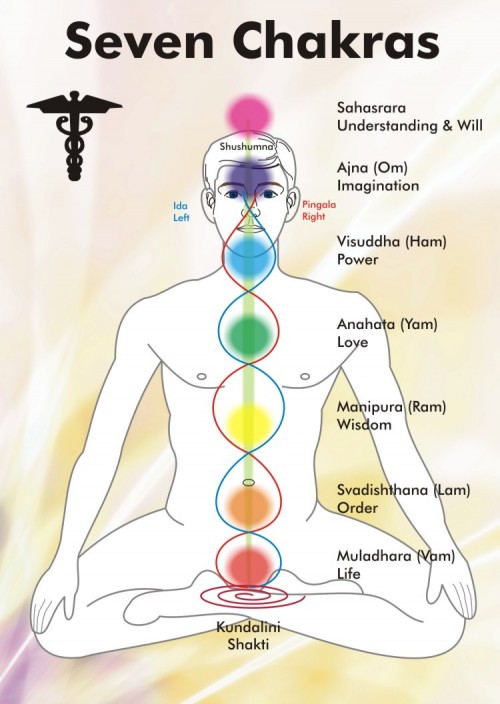
Each is linked to a chakra and vibrates at a unique frequency. Some healers also experience more than the standard seven chakras.

Blockages, Breath and the Map of the Body

In Reiki, Seichim, and Body-Based Counselling alike, imbalance and illness are seen to originate from energetic blockages—areas where life force energy cannot flow due to past trauma, grief, fear, suppressed emotions, or limiting beliefs. These imprints are stored in the subtle layers surrounding and entering the body.

When breath and awareness are consciously brought into these wounded areas, subconscious memories surface, and with them, release. In this process comes healing, insight, and a return to flow.

Brennan observed, “Illness is a result of imbalance, and imbalance is a result of forgetting who you are.” Others such as Baginski and Sharamon see symptoms as messages needing to be heard, accepted, and integrated before true healing can occur.

While approaches like CBT (Cognitive Behavioural Therapy) may assist some individuals in reframing thoughts and behaviours, they often stay in the mental realm. Deep transformation, however, often requires feeling, not just thinking. Jamie Sams says to feel is to heal. When emotion is acknowledged and expressed, the energy that has been held or suppressed is free to move again.

The Healing Power of Breath

When our bodies become stressed from pressure or anxiety, the adrenal glands release adrenaline. This hormone increases our heart rate to prepare for a fight-or-flight response. While this is a natural survival mechanism, it has side effects—particularly on the breath.

When we are anxious, our breathing becomes shallow. This reduces oxygen intake and can lead to fatigue, panic attacks, emotional distress, headaches, muscle tension, and even exacerbate conditions like PTSD.

Breath is life. It delivers oxygen to our cells and removes carbon dioxide, a key toxin. You can live without food or water for a time—but without oxygen, only minutes. Breath is also how we move life force energy. When pain is present, intentional breath can ease it. As infants and children, we naturally breathed into our bellies. But over time, many of us begin to breathe only into the upper chest, especially under stress.

Chest breathing results in irregular, rapid breaths. This reduces oxygen flow and limits the body’s ability to exhale toxins. The result? Fatigue, anxiety, and disconnection. The good news is: this pattern can be unlearned.

The Benefits of Cyclic Deep Breathing

  • Stimulates the lymphatic system, aiding detox and healing.
  • Strengthens immunity by supporting the body’s self-healing capacity.
  • Balances brain hemispheres and calms the nervous system.
  • Reduces anxiety and helps regulate emotional response.
  • Can be practiced anywhere, at any time, with no tools required.

A Gentle Word on Limitations

If you have asthma or another respiratory condition, cyclic breathing may not be appropriate. Please seek medical advice before practicing.

What Is Cyclic Breathing?

Cyclic breathing is a technique to calm the body and mind during times of stress, anxiety, or fear. One simple and accessible method is based on the Ho‘oponopono rhythm:

  1. Sit comfortably, feet on the ground. Place your hands on your lap or your belly.
  2. Notice your breath, just as it is.
  3. Then begin to breathe in for a count of seven.
  4. Hold for a count of seven.
  5. Exhale for a count of seven.
  6. Hold again for seven.

This is one round. Repeat it seven times.

You may also modify the count to suit your capacity. For example:

  • Inhale for 3, hold for 3, exhale for 3, hold for 3.
  • Or: Inhale for 3, hold for 3, exhale for 5, hold for 5.

Breathe slowly and gently, always staying within your comfort zone.

With consistent practice, abdominal breathing becomes natural again. You’ll notice your belly rising and falling as you breathe—just as it did when you were a child.

To support this, try practicing three times a day, or as needed. Repetition is key. Studies suggest it takes around 21 to 30 days to form a new habit. But the benefit is lasting: your body begins to remember the way home.


Enter, Exit, Behold: The Body Speaks

Body-Based Counselling draws on these same principles, using methods that access subconscious information directly through the body. Artistic therapies such as:

  • Clay work
  • Watercolour painting
  • Movement and gesture
  • Colour exploration

These tools bypass the analytical mind. Through simple yet profound methods like Enter, Exit, Behold, clients can step into a bodily sensation or pain, observe what wisdom it carries, and exit with the insight and resource needed for integration, without being overwhelmed or re-traumatised by the original emotion.

This process allows even unspoken or inexpressible emotions to be seen, shaped, and shifted. Pain takes form in clay. Breath is freed through movement. Colour returns to drawings that once looked lifeless. The intangible becomes tangible. Healing begins.

Real Lives, Real Healing

Here are a few examples that reflect the potency of these approaches:

  • A woman preparing for breast surgery received six sessions while also working with a naturopath. Just before the operation, scans revealed that the lumps had vanished.
  • A pregnant woman, leaking fluid after a medical procedure, came to me in a vision asking for help. I sent healing and saw the hole in the sac close. Two weeks later, she had stabilised.
  • A newborn boy with lung issues was hospitalised. After a brief hands-on healing session, he was released the next day. He later grew into a healthy twelve-year-old.
  • I lived with knee pain for seventeen years after a traumatic accident. Following my Reiki and Seichim attunement, I released grief I didn’t even know I was carrying. The pain disappeared.

The Counsellor’s Role

Just like with energy healing, true transformation in counselling comes when the client is ready and willing. The counsellor or practitioner simply creates a safe and sacred space, offers guidance, and teaches tools. But the work, the choice, the healing, comes from within.

Permission is essential. Unless a person asks, the energy cannot flow to them. Healing respects free will. When someone is ready and willing to receive, the field opens. Our role is to hold the space — not to push or fix, but to witness and support.

We do not fix. We empower. We do not impose. We invite.

Signs of Change

Change reveals itself in many ways: a client enters hunched, disconnected, anxious. After the session, they stand taller, breathe deeper, feel lighter. Art becomes more vibrant. Clay forms soften. Colour returns to the canvas. Their posture changes. So does their presence.

That is healing. That is remembering.

“The energy knows the way. All it needs is your yes.”


Video, Phone and Email Consultations Available
www.cheoco.wordpress.com
Email: cheoco99@yahoo.com.au
Microsoft Teams available by arrangement

© Cheryl O’Connor 2025

Images sourced from the internet – sources unknown.

Her Body, His Law: The Long History of Male Control Over Women’s Reproductive Rights

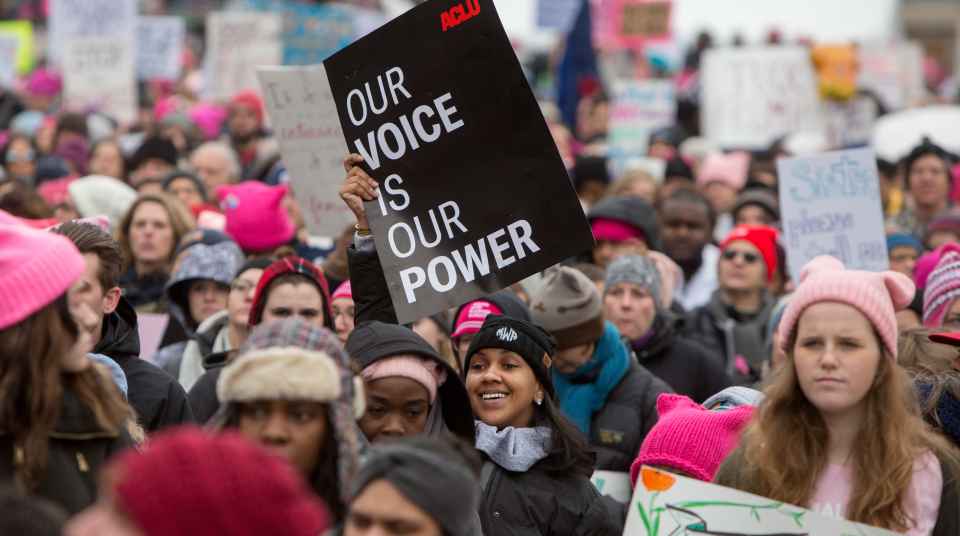
Image sourced from https://actionnetwork.org/letters/protect-womens-right-to-choose

Social struggles throughout history have been instrumental in implementing human rights legislation, changing existing laws, and shaping societal thinking about personal freedoms. One of the longest and most contested of these struggles is the fight for women’s reproductive and contraceptive rights. The debate surrounding women’s autonomy over their bodies and their right to access abortion services has persisted for centuries, driven by ethnocentric, patriarchal, and religious moral perceptions, as well as by gendered stereotypes and legislative control.

The issue of abortion rights has repeatedly highlighted the tension between personal autonomy and state, religious, and medical authority. Despite advancements in women’s rights movements and international human rights frameworks, such as the Universal Declaration of Human Rights (United Nations n.d.a) and the Convention on the Elimination of All Forms of Discrimination against Women (CEDAW) (UN Women 2000-2009), barriers to reproductive freedom remain entrenched in many societies. The historical and ongoing struggle for reproductive rights, particularly the right to safe and legal abortion, reveals the enduring power dynamics that seek to control women’s bodies and choices, and demonstrates that achieving genuine gender equality remains an unfinished global challenge.


The Overturning of Roe v. Wade: A Landmark Moment

Women’s autonomy over their bodies has caused an ongoing heated societal debate for centuries. The latest major event occurred in 2022 with the overruling of the 1973 Roe v. Wade decision by the United States Supreme Court on 24 June 2022 (Clough 2022; Lewandowska 2022). The outcome of Roe v. Wade was that the “Fourteenth Amendment’s concept of personal liberty and restrictions upon state action . . . is broad enough to encompass a woman’s decision whether or not to terminate a pregnancy” (Roe v. Wade 1973, at 153). Abortion could now occur in other circumstances (Ehrlich 2018; Ginsberg 1985). Previous law stated termination could only occur if a woman were pregnant due to rape or incest, where there were fetal anomalies, or where the mother’s life was at risk (Ehrlich 2018; Ginsberg 1985).

The overruling of the Roe v. Wade precedent in 2022 has global implications concerning women’s health. It is an attack on human reproductive rights as it removes “the constitutional right to bodily autonomy from over half the United States population” (Clough 2022, p.160; Lewandowska 2022; Cherminsky 2022; The Lancet 2022). As Clough (2022, p.160) states, “it serves as a stark reminder of the need to defend human rights; it is not enough to assume that, once granted, they cannot be taken away.”


Historical Context: Slavery and Early Abortion Legislation

To understand the abortion debate, changes to legislation, and the struggle for women to access abortion services, we need to revisit the 1800s when white people owned Black slaves and relied upon slaves for cheap labour and economic growth (Murray 2021). The prohibition of the importation of slaves into America in January of 1808 (Murray 2021) resulted in slave owners concerning themselves with the “reproductive capacities of enslaved women” because the source of their labour and economy now needed to be procured from slaves’ children (Murray 2021, p.2034). Enslaved women were aware that any child they bore was not rightfully theirs and could be sold (Murray 2021). Therefore, women used various techniques to inhibit conception or abort their unborn child (Murray 2021).

As a consequence, “slave owners sought to deter and punish efforts to prevent or terminate pregnancies” (Murray 2021, p. 2035). Abortion began to be criminalised, and legislation was passed that banned the distribution of contraceptives and abortifacients, which had not been banned prior to the aforementioned 1808 legislation (Murray 2021; Siegal 1992).


Medical Campaigns and the Criminalisation of Abortion

The campaign to enact anti-abortion legislation was primarily organised by white male physicians who considered contraceptive information provided to all women and actions by female Black and Indigenous women as dangerous (Goodwin 2020; Joffe, Weitz & Stacey 2004). Further, these physicians perceived abortions, if allowed to continue, as a disruption of the American social order of motherhood, family, and white dominance due to birth rates amongst white women decreasing (Beisel & Kay 2004; Murray 2021; Ehrlich 2018).

In 1857, Dr. Horatio Storer, a “Harvard-educated gynaecologist,” spoke at a “meeting of the Suffolk District Medical Society” (Ehrlich 2018, p. 182). He addressed the issue of an “alarming frequency of induced abortions among respectable Protestant women…” (Ehrlich 2018, p. 182). Storer convinced “the Boston medical society and the then recently founded American Medical Association (AMA) to establish investigative committees to look into ‘criminal abortion’ to suppress what he perceived to be ‘the slaughter of countless children now perpetuated in our midst’” (Ehrlich 2018, p. 182). Storer believed women’s physiological makeup rendered “her incapable of self-management” (Ehrlich 2018, p.185).

The AMA’s campaign to criminalise abortion was based on “a paternalistic and racialized code of white-male moral authority over women’s reproductive bodies” (Ehrlich 2018, p.183). The campaign resulted in abortion becoming a statutory crime in all states of America by the end of the nineteenth century unless certification by a doctor occurred that the procedure would “save the life of the pregnant woman” (Ehrlich 2019, p.183). Abortion laws now existed that mirrored eugenic concerns regarding controlling reproductive rights due to fear-based perceptions that white women were not producing offspring as rapidly as immigrants and non-whites (Murray 2021; Ehrlich 2018).


Contemporary Efforts to Restrict Abortion Rights

The racially motivated and gendered paternalistic and religious views regarding abortion reveal the true impetus for criminalisation and explain, to some degree, why efforts still remain globally by men to legally control women’s bodies and choices as per the following examples:

  • 2017 America: “Unprecedented attacks on reproductive health rights” resulted in 19 states adopting “63 new restrictions on abortion rights, service provision, and patient access” (Espey, Dennis & Landy 2018, p. 67).
  • 2018 Argentina: A bill to decriminalize and legalize abortion was debated in Congress for the first time but did not pass through the Senate (Sutton 2020, p.1).
  • Access to abortion in America since 1976 has undergone further restrictions with increased waiting periods, biased counselling, and a mandate regarding parental involvement for minors (Joffe, Weitz & Stacey 2004; Grossman et al. 2014a; Grossman et al. 2014b; Minkoff, Diaz-Tello & Paulk 2021; Askola 2018).
  • Texas, May 2013 to November 2013: A decrease by half in the facilities where medical abortion was available (Grossman et al. 2014a; Grossman et al. 2014b).
  • Australia: While surgical abortion has been provided as a health service “since the early 1970s,” medical abortion utilising Mifepristone “was deliberately obstructed” by the Federal Government via legislation concerning its authority over pharmaceutical drug importation, and it was not until 2006 that the legislative restriction was removed (Baird 2015, p.169). It took until 2012 for Mifepristone to be approved by the Australian Federal Government as a commercial import, and it was not until 2013 that it became a listed subsidised medicine (Baird 2015).

Reproductive Healthcare and Rights in Queensland: A Complex Landscape

Reproductive healthcare in Queensland is shaped by a complex interplay of legal, ethical, and social factors. The state has seen significant changes, particularly in the areas of abortion rights, fertility treatments, and workplace reproductive rights. These issues reflect broader societal debates around personal autonomy, healthcare access, and the role of government in regulating reproductive choices. However, despite legislative progress, significant barriers remain, especially for those in rural and remote areas.

Decriminalisation of Abortion

In Queensland in 2018 a pivotal step occurred in recognising reproductive autonomy, aligning the state with the broader Australian movement to treat abortion as a healthcare issue rather than a criminal matter (Storry, 2018). While the legal framework shifted, practical access to abortion services remains uneven. Women in rural and remote areas face considerable obstacles, such as long distances to clinics, financial barriers, and a lack of available healthcare professionals (Sexual Health, 2022).

The Termination of Pregnancy in Queensland Post-Decriminalisation Study (2022) indicates that while decriminalisation aimed to improve access, stigma surrounding abortion remains a significant challenge. In smaller, more conservative communities, social pressures often prevent women from seeking services. According to Deveny (2023), these social and cultural factors, combined with logistical challenges, continue to hinder women’s access to reproductive health services.

Workplace Reproductive Rights

Workplace protections for pregnant employees have been a subject of continued evolution in Queensland. The state’s legislative changes concerning maternity leave, workplace discrimination, and the prevention of gender-based discrimination provide a more supportive framework for women. However, Deveny (2023) highlights that discrimination in the workplace remains a persistent issue, and women often face barriers to achieving full reproductive rights in the workplace, particularly in industries that are male-dominated or conservative.

The Queensland Government, under Premier David Crisafulli, has recently implemented a significant policy regarding abortion legislation. In December 2024, Premier Crisafulli introduced a parliamentary motion that effectively bans any changes to the state’s abortion laws until at least October 2028. This action was taken to uphold his election promise of no alterations to abortion laws and to prevent potential legislative challenges from within his own party. The motion passed despite opposition from the Labor Party, which voted against it, expressing frustration over the move (The Australian, 2024).

This policy has been met with criticism from various quarters. Opponents argue that it undermines the democratic process by restricting Members of Parliament from debating and introducing bills on the subject, thereby limiting legislative scrutiny and public discourse on reproductive rights (Courier-Mail, 2024).

Additionally, for a critical analysis of Premier Crisafulli’s decision to restrict parliamentary debate on abortion, you may find the article “The deeper issue behind Premier’s move to gag abortion” from The Courier-Mail insightful (Courier-Mail, 2024).

The decriminalisation of abortion in Queensland in 2018 marked a significant step in recognizing reproductive autonomy (Storry, 2018). However, practical access to abortion services remains uneven, with women in rural and remote areas facing considerable obstacles such as long distances, financial barriers, and a lack of healthcare professionals (Sexual Health, 2022).

Recent discussions in Queensland have also focused on the need for reproductive health leave to support women undergoing fertility treatments or coping with miscarriage (McKell Institute, 2024). The introduction of such leave would improve employee retention and reduce workplace discrimination, though it has not yet been widely implemented in Australia.

Regulation of IVF and Assisted Reproductive Technologies (ART)

In a related issue, the regulation of ART remains contentious in Queensland, particularly concerning ethical issues related to donor anonymity and the rights of donor-conceived children. The lack of a national donor registry has led to inconsistent standards and raised ethical questions about how embryos and donor information are handled (Messenger, 2024).

Global Influences and Local Impacts

Global trends in reproductive rights, such as the overturning of Roe v. Wade in the United States, have sparked concerns in Queensland about the potential erosion of local reproductive rights, especially in rural areas with entrenched conservative values (Murray, 2021). This highlights the need for continued vigilance in defending reproductive rights, both locally and globally (Clough, 2022).


International Implications: A Global Struggle

While the fight for reproductive rights is deeply embedded in Australia’s political landscape, the battle rages on beyond our borders, particularly in the United States. Under the current administration of Donald Trump, the reproductive rights of women have once again become a political battleground, mirroring the long history of male-driven control over women’s bodies.

In his first 100 days of a second term, Trump has enacted a series of controversial measures that significantly restrict access to reproductive healthcare. Among these, pardoning anti-abortion activists and reinstating the Mexico City Policy—which restricts foreign aid to organizations that provide or promote abortion—are just the beginning. These actions have ignited fierce opposition from reproductive rights groups who argue that such moves are an affront to women’s autonomy (Harrington, 2023; International Planned Parenthood Federation, 2023).

The administration’s decision to revoke policies supporting military travel for reproductive services and freeze critical funding for low-income patients, particularly affecting Title X clinics, reflects a deliberate rollback of essential healthcare provisions (Guttmacher Institute, 2023). Adding to the growing alarm, the Trump administration has been accused of failing to support families through comprehensive, family-friendly policies, while paradoxically championing pro-natalist stances (Smith, 2023).

Perhaps most concerning, however, is the increasing possibility of restrictions on abortion medications, such as mifepristone, which could have far-reaching consequences for women seeking access to safe and legal abortion care (American Medical Association, 2023). For many in the United States, these policies are a painful reminder of the historical attempts to control women’s reproductive choices. The echo of past struggles—of rights denied, and freedoms curbed—is unmistakable.

The response from American reproductive rights groups is growing louder, as they seek to not only protect access to healthcare but to remind the world of the consequences of turning back the clock on women’s bodily autonomy (Planned Parenthood, 2023). These developments serve as a stark reminder that the struggle for reproductive rights is ongoing, not just in the halls of power in Australia, but across the globe.


International Human Rights and the Struggle for Reproductive Rights

Beyond Debate: Reproductive Rights Are Human Rights

It is frankly incomprehensible that in the 21st century, women still have to fight for their reproductive rights. The fact that the United Nations had to establish a convention affirming these rights — as if women’s autonomy over their own bodies needed external validation — underscores how deeply ingrained patriarchal control remains. Under Article 12 of the Convention on the Elimination of All Forms of Discrimination Against Women (CEDAW 1979), all State Parties, including the United States, Australia, and Argentina, are obligated to ensure women have access to health services, including those related to family planning, on the basis of equality.

In conclusion, the very existence of a United Nations Convention on the Elimination of All Forms of Discrimination Against Women (CEDAW) raises a confronting question: why was such a Convention even necessary? Are women not human? Shouldn’t their rights be inherently protected as human rights? The answer lies in centuries of systemic inequality and the ongoing disregard for women’s autonomy, dignity, and agency.

Even today, despite many nations ratifying CEDAW, its principles are too often ignored or selectively applied. Unfortunately, many political leaders and pro-life groups continue to undermine women’s rights, placing personal beliefs and ideological agendas above the basic rights to health, autonomy, and equality. These groups and individuals are not the ones who will endure pregnancy, give birth, or raise a child. While some men may contribute to these responsibilities, the physical, emotional, and social realities of these experiences overwhelmingly fall to women. Those who seek to control women’s reproductive choices — including decisions around accessing termination services — have no place dictating healthcare policy or harassing women at clinics. It is particularly reprehensible when those women being harassed may not even be attending for a termination.

These ongoing struggles — where women’s voices are disregarded, silenced, or treated as secondary — make it painfully clear that, despite what should be a simple truth, women’s rights are still viewed by many as negotiable. The very fact that we need a global framework like CEDAW to attempt to safeguard these rights is a stark reminder of how far we have yet to go. Until all women are treated as equal, autonomous human beings — with full control over their bodies, lives, and choices — the fight for equality and dignity remains not just necessary, but urgent.

However, the lived reality is one where women’s reproductive autonomy is continuously undermined and politicised by politicians in positions of patriarchal governance, alongside pro-life advocates who, while not making the political decisions, relentlessly harass women who choose to terminate a pregnancy. These politicians, who will never bear the physical, emotional, social, or financial consequences of pregnancy and childbirth, continue to make decisions on behalf of women — often based on the influence of votes from pro-life groups whose members stalk and harass women seeking services, regardless of whether they are attending a clinic for a termination or another medical reason. This persistent disregard for women’s right to choose and control their own reproductive health must be recognised for what it is: a denial of basic human rights.

Copyright C. O’Connor 1 May 2025.

ReproductiveRights #RoeVWade #Trump #Queensland #HealthcareAccess #SocialWork #MentalHealth #Counselling #GenderEquality #Crisafulli #Women’sRights


References

American Medical Association, 2023. Mifepristone Restrictions: The Impact on Women’s Health. [online] Available at: https://www.ama-assn.org/2023-mifepristone [Accessed 1 May 2025].

Baird, M. (2015) ‘Obstacles to abortion access in Australia: The case of Mifepristone’, Australian Health Review, 39(2), pp. 168-172.

Beisel, N., and Kay, A. (2004) ‘The social construction of abortion: Race, class, and the politics of women’s rights’, Gender and Society, 18(2), pp. 123-139.

Cherminsky, V. (2022) ‘The United States Supreme Court’s overturn of Roe v. Wade: A profound setback for women’s reproductive rights’, The Journal of Constitutional Law, 34(1), pp. 45-63.

Clough, M. (2022) ‘The end of Roe v. Wade: A world of reproductive injustice’, The Journal of Women’s Health, 31(1), pp. 156-162.

Ehrlich, J.S., (2018) ‘Abortion in America: The history of reproductive rights and their legislative battles’, Journal of Gender Studies, 29(2), pp. 180-195.

Espey, E., Dennis, A., and Landy, R. (2018) ‘Unprecedented attacks on reproductive health rights in the United States’, American Journal of Public Health, 108(1), pp. 67-72.

Goodwin, S. (2020) ‘The criminalization of reproductive autonomy: History and impact of anti-abortion legislation’, International Journal of Reproductive Rights, 5(1), pp. 112-118.

Ginsberg, A. (1985) ‘The impact of Roe v. Wade on the reproductive rights movement’, Reproductive Health Journal, 22(3), pp. 25-33.

Grossman, D., et al. (2014a) ‘The impact of restricted abortion access in Texas’, American Journal of Public Health, 104(3), pp. 466-472.

Grossman, D., et al. (2014b) ‘Effect of reduced abortion access in Texas: The influence of restrictions on reproductive healthcare’, Reproductive Health Matters, 22(44), pp. 78-85.

Guttmacher Institute, 2023. Title X Funding Cuts: The Effects on Reproductive Healthcare Access. Available at: https://www.guttmacher.org/2023-title-x-funding [Accessed 1 May 2025].

Guttmacher Institute, 2025. The first 100 days of the Trump-Vance administration: Attacks on reproductive freedom and scientific integrity. Available at: https://www.guttmacher.org/2025/04/first-100-days-trump-vance-administration-attacks-reproductive-freedom-and-scientific [Accessed 1 May 2025].

Harrington, J., 2023. Trump’s First 100 Days: A Retrospective on His Impact on Women’s Rights. The Atlantic. Available at: https://www.theatlantic.com/trump-100-days-womens-rights [Accessed 1 May 2025].

International Planned Parenthood Federation, 2023. Mexico City Policy: The Global Effects of Trump’s Abortion Restrictions. Available at: https://www.ippf.org/mexico-city-policy [Accessed 1 May 2025].

Joffe, C., Weitz, T., and Stacey, C. (2004) ‘Abortion access: The limits of legal reform’, Social Science & Medicine, 58(10), pp. 1991-2000.

Lewandowska, M. (2022) ‘The rise of reproductive injustice: A critique of Roe v. Wade’s overturn’, Global Feminist Review, 24(1), pp. 139-146.

Messenger, A. (2024). Queensland’s crackdown on IVF clinics fuels push for national donor registry. Center for Genetics and Society. Available at: https://www.geneticsandsociety.org/article/queenslands-crackdown-ivf-clinics-fuels-push-national-donor-registry [Accessed 1 May 2025].

Minkoff, H., Diaz-Tello, F., and Paulk, S. (2021) ‘Abortion laws: A global comparative analysis of reproductive health policies’, Journal of International Women’s Health, 38(2), pp. 210-220.

Murray, J. (2021) ‘The intersection of race, gender, and reproductive justice in 19th century America’, Women’s Studies Quarterly, 49(4), pp. 2030-2040.

Planned Parenthood, 2023. Reproductive Rights Under Attack: The Ongoing Fight for Autonomy. Available at: https://www.plannedparenthood.org/reproductive-rights-attack [Accessed 1 May 2025].

Roe v. Wade (1973) U.S. Supreme Court Case, 410 U.S. 113.

Siegal, R. (1992) ‘The erosion of abortion rights in America: The history and politics of anti-abortion movements’, American Political Science Review, 86(1), pp. 50-65.

Smith, D., 2023. Trump’s Pro-Natalist Agenda: The Contradiction in Family and Reproductive Policies. The New York Times. Available at: https://www.nytimes.com/2023/trump-pro-natalist [Accessed 1 May 2025].

Sutton, L. (2020) ‘Abortion law in Argentina: The fight for reproductive justice continues’, Journal of Latin American Politics, 41(2), pp. 1-8.

The Lancet (2022) ‘The implications of the end of Roe v. Wade for reproductive rights’, The Lancet, 399(10337), pp. 1609-1612.

UN Women (2000-2009) ‘Convention on the Elimination of All Forms of Discrimination against Women’. Available at: https://www.un.org/womenwatch/daw/cedaw/text/econvention.htm (Accessed: 1 May 2025).

United Nations (n.d.a) ‘Universal Declaration of Human Rights’. Available at: https://www.un.org/en/universal-declaration-human-rights/ (Accessed: 1 May 2025).

Critical Social Policy Analysis and its Potential for Social Justice

Copyright A. Lathouras, C. O’Connor and G. Frawley. Peer reviewed Journal Article first published in New Community, Vol.21 (3)(83), pp. 26-31. 2023.

Abstract: If critical community development is committed to the pursuit of social justice and human rights, then a structural analysis of the root causes of oppression should be foregrounded. This then informs citizen advocacy to work towards social change. Moreover, practice in communities is shaped by social policy as it impacts the welfare of a nation’s citizens. The laws of the land comprise mechanisms for distributing society’s resources, and social policy is underpinned by values, driven by political objectives, and maintained by discursive practices. Drawing on Carol Bacchi’s (2009) critical approach to social policy analysis, this article presents two case study stories where social work students applied a structural analysis to examine the effects of social policy on First Nations communities. This analysis complements a critical approach to community development practice and guides progressive action. 

Introduction

At the University of the Sunshine Coast (UniSC), all social work students complete the courses: Community Development and Social Action and Critical Social Policy Analysis. The first author teaches both, and where theory intersects, critical approaches to both practices are foregrounded. The community development course draws from ideas in the critical tradition as articulated by Margaret Ledwith (2011). This is where practice seeks to build social solidarity and provide a lens through which existing societal structures are examined, enabling more egalitarian, supportive, and sustainable alternatives. Drawing from the Freirean tradition of community education (Freire, 1970 & Freire, 1974), and as radical educators, practitioners facilitate processes that empower people to analyse their lived experiences and collectively act in the hope of transforming those experiences.

For the context of social policy analysis, we gain inspiration from Saul Alinsky’s seminal text Rules for Radicals (1971). Alinsky called for a “reformation”, the process where masses of people reach a point of disillusionment with past ways and values and then, together, organise, build power, and change the system from within (Alinsky 1971:114). Discussing the importance of social democratic reform through citizenship, Alinsky (1971:115) was “desperately concerned” that masses of people, through lack of interest or opportunity, are resigned to live lives determined by others. He argued that, 

The spirit of democracy is the idea of importance and worth in the individual, and faith in the kind of world where the individual can achieve as much of his (sic) potential as possible…. Separation of the people from the routine daily functions of citizenship is heartbreak in a democracy (Alinsky 1971:115).  

Active citizenship can be traced back to the ancient Greek concept of agora, a site of political assembly, an interface between the public and private spheres of social life. In contemporary times, community development can be seen as an expression of “the political and politicized assembly of an active citizenry in civil society”, or a form of politics whereby citizens participate in civil society through communicative action to directly socialise policy issues (Geoghegan & Powell 2009:431).

Critical Social Policy Analysis

In the coursework at UniSC, we draw on Carol Bacchi’s (2009) theory to directly socialise policy issues. In her “What’s the problem represented to be?” approach to critical social policy analysis, Bacchi’s central thesis is that policies give shape to “problems” in society. Government cannot get to work without first problematising its territory, assuming the existence of problems that need to be ‘fixed’. Problematising is how something is represented as ‘a problem’, and social policy reflects what government thinks needs to change. Drawing on post-structural theories, where language or discourses are full of ideology and beliefs, these speak to and uphold one’s ‘truth’. Bacchi (2009) posits these are contested with taken-for-granted assumptions or presuppositions and can be interrogated with other possible standpoints. 

Bacchi’s six-question framework helps us with the interrogation:

  • Q1. What’s ‘the problem’ represented to be, or what’s the ‘problem representation’? Social policy students are encouraged to think from the policy writer’s perspective about the purpose of a policy, its vision, mission, and objectives.
  • Q2. What presuppositions or assumptions underlie this representation of the problem? Students are encouraged to put themselves in the shoes of the government and interrogate this question bothappreciatively and critically. For example, most social policies have strong social democratic and neoliberal underpinning ideology and language.
  • Q3. How has this representation of the problem come about?
  • Here students are encouraged to research the history of a chosen policy area, not from a ‘version control’ perspective, but from the perspective of how society’s attitudes and values have changed over time. For example, in a few short decades, we have gone from separating from society and institutionalising people with chronic disability; to deinstitutionalisation processes in the 1980s with block funding to NGOs; to the current National Disability Insurance Scheme where many people are in control of their own funding packages.
  • Q4. What is left unproblematic in this problem representation? This is where students are encouraged to draw from contemporary grey literature, including peak body reports and submissions to make arguments about what is silenced by the problem representation, or the way government has framed the issue.
  • Q5. What effects are produced by this representation of the problem?
  • Drawing on 500 hours of field education experience, students use their practice wisdom to name the effect on the people or end-users of the policy, both service users and fellow practitioners.
  • Q6. How could the problem representation be questioned, disrupted, and replaced? Here the tutors use a range of creative teaching techniques to help students think outside the box, and about how we can transcend the most deleterious effects of a policy on end-users or practitioners.  

Employing “authentic” assessment processes, which reaffirm the role of higher education in contributing to social justice (McArthur, 2023), students do a simulated policy advocacy presentation and write a simulated policy reform submission to government about the specific policy they’ve researched. The course this year has provided a sense of purpose and social work activism to final year social work students, Cheryl and Grace, co-authors of this paper. Below, each tells their story of applying Bacchi’s framework to social policy impacting on First Nations peoples. 

Cheryl’s Story – Close the Gap

With a legal background and a passion for community development work, recently I investigated an environmental issue impacting Indigenous inequality in Australia. I focused on the Close the Gap (CTG) Implementation Plan 2023, specifically Outcome 1, “Aboriginal and Torres Strait Islander People enjoy long and healthy lives” and 9b, “Safe and reliable water for remote and regional First Nations Communities”. Under the recently elected Labor government, the 2023 version of the Close the Gap social policy seems collaborative with First Nations people, which is a significant improvement over past efforts by various governments. Since writing the 2005 Social Justice Report, Professor Tom Calma AO, argues progress has been made toward achieving health and life expectancy equality for Aboriginal and Torres Strait Island peoples (Australian Indigenous Health Info Net, nd). However, the 2020 Close the Gap report highlighted that:

  • The Indigenous child mortality rate was 141 per 100,000 which is twice that of non-Indigenous children (Australian Government, 2020b).
  • Life expectancy at birth was 71.6 years for Indigenous males and 75.6 years for Indigenous females. In comparison, the non-Indigenous life expectancy at birth was 80.2 years for males and 83.4 years for females (Australian Government, 2020c).
  • During 2015 and 2017 the lowest life expectancy occurred in the Northern Territory (66.6 years for males and 83.4 years for females) (Australian Government, 2020c).

Concerning Outcome 1 of the policy, one of the current commitments is the funding of 30 four-chair haemodialysis units and two dialysis treatment buses throughout Australia. Because of a 2022 report by Water Services Association of Australia (WSAA) which identified 500 Indigenous communities lacking drinkable water due to elevated levels of uranium, arsenic, fluoride, and nitrate above Australian drinking water guidelines, CTG’s Outcome 9b allocates $150 million to the National Water Grid Fund for targeting clean drinking water access in Australian rural and remote communities. The report also found that regular water quality testing in these communities does not occur (WSAA, 2022). 

Initially conducting research for an environmental issue concerning Indigenous Australians, I was able to tie the two outcomes together (1 and 9b), which in the reading of CTG policy, did not appear to be connected.  Outcome 1 was only addressing symptoms by providing more dialysis units, not mentioning, or looking at the probable causes of increasing numbers of chronic kidney disease (CKD).

My preliminary research found evidence highlighting the lack of safe, clean water in the remote Aboriginal community of Laramba, Northern Territory and how despite community efforts to eliminate what they suspected was contaminated water via a court case, there were no laws requiring landlords to provide safe water (ABC News 2022a). Subsequently, the community lost the case. Ultimately, it took 15 years from when concerns were first raised by the Laramba community regarding their water supply before the Northern Territory government constructed and opened a water filtration plant for the community in April 2023 (Northern Territory Government and Information Services, 2023).

The present Australian Drinking Water Guideline level for uranium is 0.02mg/l and current testing reveals that the uranium level in the Laramba water supply has now dropped from between 0.029mg/l – 0.055mg/l to 0.01mg/l (Northern Territory Government and Information Services, 2023) because of the new filtration system.

In the remote Aboriginal community of Kiwirrkurra, Western Australia, the dialysis clinic had to be closed for two years due to contaminated water, and community members needing lifesaving haemodialysis had to travel 800 kilometres for treatment (Purple House, nd; ABC News, 2022b). The Kiwirrkurra article led me to Purple House, a non-profit Indigenous-run health organisation based in Alice Springs that provides haemodialysis treatments in clinics and services remote areas by bus. I spoke with Mr Michael Smith, bio-medical engineer at Purple House, who had invented and won an award for developing a reverse osmosis filtration system that had enabled the Kiwirrkurra clinic to re-open. Even though the clinic had re-opened, the community still did not have safe drinking water and it was reported that 700 bottles of water were being shipped in each week, creating a mountain of rubbish (ABC News, 2022b).

I had several conversations with Mr Smith concerning water quality in remote areas, the high volume of clean water required for haemodialysis treatments and the links between rancid tasting water, the substitution of drinking water for sugary drinks, diabetes, and subsequently CKD. Based on information provided by Mr Smith it is estimated that one patient requiring haemodialysis (3 treatments lasting between 3 to 5 hours per week), requires a total of 70,200 litres of clean, safe water per year. We also discussed the cost of commissioning and installing 20 reverse osmosis filtration systems in the remote communities that Purple House services, so that haemodialysis treatments could occur effectively within communities without community members needing to relocate or travel long distances.

Further research into chronic kidney disease (CKD), revealed that concerns have been growing among healthcare providers, affected community members and leaders regarding the increasing cases of diabetes and CKD in remote Aboriginal communities for quite some time (Rajapakse et. al., 2019; Pan, Owen & Oddy, 2021; Australian Bureau of Statistics, 2019). It was revealed that CKD has a probable cause associated with unpalatable or contaminated groundwater (Rajapakse et.al., 2019). Sugar-sweetened beverages, when substituted for water in communities where the water is rancid and undrinkable, have proven to create obesity which then leads to diabetes, renal failure, and other health issues (Gajjala, 2015; Hormones Australia Endocrine Society of Australia, 2018; Pan, Owen & Oddy, 2021).

Moreover, diabetic nephropathy is the most common type of kidney disease found in pregnant women (Fischer, 2007). A study in 2015 revealed that pregnancy in those with kidney disease had 52 per cent increased odds of preterm delivery and 33 per cent increased odds of caesarean delivery (Kendrick et. al., 2015). Infants whose mothers had kidney disease had 71 per cent increased odds of needing admission to neonatal intensive care units or death, and kidney disease in mothers created a 2-fold increased odds of low birth weight (Rajapakse et al 2019). Maternal kidney disease substantially increases the incidence of “death, foetal prematurity, and low birth rate” (Fischer 2007, p. 135). The Australian Institute of Health and Wellbeing also state that 57 per cent of Indigenous infant deaths that occurred between 2015 and 2019 were due to prenatal conditions (Australian Government Institute of Health and Welfare, 2023).

By using Bacchi’s (2009) framework, I found a situation of symptoms only being addressed in the policy and no evidence that the government was linking the connection I could see between the lack of safe, clean water and the high rates of CKD occurring in Western Australia, where it is endemic (Rajapakse et al., 2019), and in the Northern Territory. The lack of clean, safe water in the remote communities of the two jurisdictions is not news to federal or state governments as there has been an ongoing health crisis due to unsafe water that multiple reports have brought to their attention over the years. Yet it is only now that the State and Federal Governments are beginning to address the water issues.

Employing Bacchi’s question six about how the problem representation could be questioned, disrupted, and replaced, I made two recommendations. The first was to invest $1 million of the $150 million currently allocated in Outcome 9b of the CTG policy, to the National Water Grid Fund to install reverse osmosis filtration systems at the 20 sites Purple House services. If enacted, this would ensure safe and reliable water for those remote First Nations communities. The second recommendation was to immediately commence water quality testing in the 500 communities the WSAA has identified as having undrinkable water. If enacted, this would provide both the State and Federal Governments with a priority list of communities where water treatment processing plants need to be constructed.

Grace’s Story – Domestic and Family Violence Prevention

The social policy I analysed was the Queensland Domestic and Family Violence Prevention Strategy 2016-2026. This prevention strategy provides a framework for government to act against domestic and family violence and has four subsequent action plans, with the most recent action plan addressing coercive control (Queensland Government, 2016). The reason I chose to analyse this policy is because the Queensland Government plans to legislate coercive control by the end of this year, therefore highlighting the need for a current structural analysis of the problem. The Strategy has a vision of creating a Queensland free from domestic and family violence. Specifically, an objective is to legislate and criminalise coercive control by the end of 2023 with the overall aim of eliminating domestic and family violence.

My research found that compared to men, women are three times more likely to experience domestic and family violence, with one woman being murdered every week by a partner (Our Watch, 2023). Moreover, First Nations women are disproportionately more likely to experience domestic and family violence and are eleven times more likely to be killed due to family violence compared to non-Indigenous women (Commonwealth of Australia, 2022).  

A key characteristic of intimate partner homicide is a relationship in which coercive control is used to isolate and control the woman by a range of mechanisms, most of which are invisible to the public (Boxall et al., 2022). Drawing on Bacchi’s question three, I understand that historically, Australia has had a culture deeply engrained with normalising violence against women and maintaining silence about what happens in the private realm (of the home) (Piper, 2019). This culture has normalised domestic and family violence, so much so one can buy a singlet called the ‘wife beater’. Radical feminist discourse suggests the root cause of women’s oppression is in patriarchal gender relations (Pilcher & Whelehan, 2017; Damant et al., 2008), and this informs my belief that in the private realm a woman’s life is where the relationship itself is used as a mechanism of subordination. Furthermore, I now recognise Australia as a patriarchal society that supports this dominant ideology which is used to sustain the isolation of women to the private realm by limiting their ability to participate in the community. This has created a cultural norm in which women stay home and raise children while male partners go out and work (Baxter, 2018). In some households, this can turn a relationship into one of dependency and subservience creating ideal conditions for coercive control to take place (Stark, 2012).

However, I identified that this gendered structural analysis of domestic and family violence does not consider the detrimental socio-economic and cultural impacts of colonisation on First Nations women, impacts that contribute to their experiences of domestic and family violence. These include intergenerational trauma, economic exclusion and dispossession of land and family (Australia’s National Research Organisation for Women’s Safety [ANROWS], 2023). Evidence suggests that 70% to 90% of First Nations women in prison have experienced domestic and family violence either as a child or an adult (Commonwealth of Australia, 2022). First Nations women are overly represented in the criminal justice system and are often misidentified as the person who uses violence (Commonwealth of Australia, 2022). Furthermore, retaliation for their own protection or the protection of their children or misidentification due to racial stereotypes often leads to co-responding protection orders being placed against the victim-survivor (Commonwealth of Australia, 2022). Therefore, the intersection between gender inequality and racial inequality highlights that domestic and family violence can be much more than a cultural issue (ANROWS, 2016). 

Drawing on Bacchi’s question four about what is left problematic with government’s framing of a policy issue, I identified that consultation with First Nations women on this issue and the legislation of coercive control is imperative for Government to understand how this could create further harm to First Nations communities if not properly implemented. The discourse used within the prevention strategy suggests that the behaviours around coercive control need to change. Although this creates an assumption that the community has a comprehensive understanding of coercive control and are therefore capable to commit to change. Additionally, the 2021 National Community Attitudes Towards Violence Against Women Survey shows that 41% of respondents believed that domestic and family violence is committed equally by men and women (ANROWS, 2021). This suggests that the community is still unaware of unequal gender relations and how this influences domestic and family violence.

Additionally, there is an assumption that the criminalisation of coercive control will address the help seeking behaviours of women experiencing domestic and family violence, although the evidence suggests that rates of help seeking are higher for women who experience coercive control as well as physical and/or sexual abuse, rather than just coercive control (Boxall & Morgan, 2021). Furthermore, it is evident that the current systems we have in place are inadequate to support victim-survivors, with service organisations and law enforcement already overrun and struggling to keep up with rates of domestic and family violence (Burt & Iorio, 2023). Our systems that support victim-survivors of domestic and family violence have been structured as crisis responses that offer immediate safety planning, accommodation, and case management. This support is happening after the violence has already occurred with most services meeting woman who are at ‘rock bottom’ and already in grave danger.

After I researched similar social policy in other countries, I discovered that although England and Wales criminalised coercive control in 2015 the understanding of what constitutes coercive control and the ability to recognise it is still unclear. This impacts the practices and responses of service delivery. Additionally, missed or under reporting of coercive control has led to inadequate assessments of risk, resulting in victims being overlooked and murdered (Robinson, Myhill & Wire, 2018). I believe, therefore, a robust approach to re-structuring and re-defining domestic and family violence is needed.

During my policy advocacy presentation and review submission, I made a recommendation to governments to establish a nationwide definition of coercive control enabling a shared understanding and an unambiguous approach to responding to coercive control. Defining coercive control will encompass all forms of nonphysical violence, and will provide law enforcement, the community, and legal systems with a clear definition to respond effectively and lessen the deleterious impacts of this issue facing First Nations women.  

Conclusion

Bacchi’s critical questioning framework for policy analysis draws on social construction theory, about what we take to be ‘fixed’ reality is actually contextual, historical and changing. It also draws on feminist body theory and acts as a counterbalance to focus on people’s perceptions, ensuring that lived experience receives due recognition. Grace and Cheryl’s stories of social policy analysis provide an excellent example of how practitioners could use the framework and work with communities to develop their own structural analysis about the root causes of ongoing disadvantage. The issues raised by them paint a damning picture of a vulnerable population group whose voices are not yet being given space at the policy-making table. 

References

ABC News 2022a, NT Laramba residents consider further court action as absence of safe water laws problematic, viewed 28 May 2023, NT Laramba residents consider further court action as absence of safe water laws problematic – ABC News 

ABC News 2022b, Residents of remote Kiwirrkurra are worried about tap water, but a reverse osmosis water purifier could help, viewed 28 May 2023, Residents of remote Kiwirrkurra are worried about tap water, but a reverse osmosis water purifier could help – ABC News 

Alinsky, S 1971, Rules for Radicals, Random House, New York.

Australian Bureau of Statistics 2019, viewed 28 May 2023, National Aboriginal and Torres Strait Islander Health Survey, 2018-19 financial year, Australian Bureau of Statistics (abs.gov.au) 

Australian Government 2020a, Closing the Gap Report, viewed 27 May 2023, Closing the Gap 2020, Closing the Gap (niaa.gov.au)  

Australian Government 2020b, Child Mortality, viewed 27 May 2023, Child Mortality, Closing the Gap (niaa.gov.au)

Australian Government 2020c, Life Expectancy, viewed 27 May 2023, Life Expectancy, Closing the Gap (niaa.gov.au)  

Australian Government 2022, National Health and Medical Research Council, Australian Drinking Water Guidelines, viewed 28 May 2023, Australian_Drinking_Water_Guidelines_ADWG_V3-8_Sep2022.pdf

Australian Government 2023, Commonwealth Closing the Gap Implementation Plan, viewed 27 May 2023, 2023 Commonwealth Closing the Gap Implementation Plan, National Indigenous Agency (niaa.gov.au).  

Australian Government Institute of Health and Welfare 2023, Chronic Kidney Disease: Australian Facts, viewed 28 May 2023, Chronic kidney disease: Australian facts, Mortality-Australian Institute of Health and Welfare (aihw.gov.au).

Australian Government Ministers, Department of Health and Aged Care, viewed 31 May 2023, New renal dialysis units for remote First Nations patients, Health Portfolio Ministers and Aged Care. 

Australian Indigenous Health Info Net nd, viewed 27 May 2023, History of Closing the Gap – Closing the Gap – Australian Indigenous HealthInfoNet (ecu.edu.au)

Baxter J, 2018, ‘Fathers and Work: A statistical overview’, Australian Institute of Family Studies.

Australia’s National Research Organisation for Women’s Safety 2016, Existing knowledge, practice and responses to violence against women in Australian Indigenous communities: State of knowledge paper, Australia’s National Research Organisation for Women’s Safety, August 2, 2023, https://www.anrows.org.au/publication/existing-knowledge-practice-and-responses-to-violence-against-women-in-australian-indigenous-communities-state-of-knowledge-paper/.

Australia’s National Research Organisation for Women’s Safety 2021, The 2021 National Community Attitudes towards Violence against Women Survey, Australia’s National Research Organisation for Women’s Safety, August 2, 2023, https://www.anrows.org.au/publication/attitudes-matter-the-2021-national-community-attitudes-towards-violence-against-women-survey-ncas-findings-for-australia/.

Australia’s National Research Organisation for Women’s Safety Fast Facts- Indigenous Family Violence, Australia’s National Research Organisation for Women’s Safety, August 2, 2023, https://www.anrows.org.au/resources/fast-facts-indigenous-family-violence/#:~:text=This%20resource%20provides%20a%20brief,to%20inform%20their%20decision%2Dmaking.

Bacchi, C 2009, Analysing Policy: What’s the Problem Represented to be? Pearson, Frenchs Forest.

Boxall, H, Doherty, L, Lawler, S, Franks, C & Bricknell, S 2022, The “Pathways to intimate partner homicide” project: Key stages and events in male-perpetrated intimate partner homicide in Australia, Australia’s National Research Organisation for Women’s Safety, August 2, 2023, https://anrowsdev.wpenginepowered.com/wp-content/uploads/2020/04/Boxall-et-al_Pathways-to-intimate-partner-homicide.2.2.pdf.

Boxall & Morgan 2021, Experiences of coercive control among Australian women, Australian Government, August 2, 2023, https://www.aic.gov.au/sites/default/files/2021-03/sb30_experiences_of_coercive_control_among_australian_women_v2.pdf.

Burt, J & Iorio, K 2023, Domestic violence law reforms pass Queensland parliament, but consultation on criminalisation of coercive control continues, ABC News, August 2, 2023, https://www.abc.net.au/news/2023-02-23/coercive-control-queensland-parliament-domestic-violence-laws/102012376.

Commonwealth of Australia 2022, National Plan to End Violence against Women and Children 2022–2032, Department of Social Services, August 2, 2023, https://www.dss.gov.au/sites/default/files/documents/11_2022/national_plan_to_end_violence_against_women_and_children_2022-2032.pdf.

Damant, D, Lapierre, S, Kouraga, A, Fortin, A, Hamelin-Brabant, L, Lavergne, C & Lessard, G 2008, “Taking child abuse and mothering into account,” Affilia, 23(2):123–133, https://doi.org/10.1177/0886109908314321.

Freire, P 1970, Pedagogy of the oppressed. Penguin.

Freire, P 1974, Education for critical consciousness. Continuum.

Gajjala, Prathibha Reddy & Sanati, Maryam & Jankowski, Joachim 2015, Cellular and Molecular Mechanisms of Chronic Kidney Disease with Diabetes Mellitus and Cardiovascular Diseases as Its Comorbidities. Frontiers in immunology, Vol 6, p. 340. 10.3389/fimmu.2015.00340 

Geoghegan, M & Powell, F 2009, ‘Community Development and the Contested Politics of the Late Modern Agora: Of, Alongside or Against Neoliberalism?’, Community Development Journal, Vol. 44, No. 4, pp. 430-447.

Hormones Australia Endocrine Society of Australia 2018, Kidney Disease and Diabetes – What is the Link? Dr Nicolette Hodyl, viewed 26 May 2023, Kidney disease and diabetes – what is the link?, Hormones Australia (hormones-australia.org.au).

Kendrick J, Sharma S, Holmen J, Palit S, Nuccio E & Chonchol M 2015, Kidney disease and maternal and fetal outcomes in pregnancy, American Journal of Kidney Disease, Vol 66, no.1, pp.55-9. doi:10.1053/j.ajkd.2014.11.019. 

Ledwith, M 2011, Community development: A critical approach (2nd ed.). Policy Press.

McArthur, J 2023, ‘Rethinking authentic assessment: work, well-being, and society’, Higher Education, Vol. 85, pp. 85-101.

Northern Territory Government and Information Services 2023, viewed 28 May 2023, Laramba Water Treatment Plant officially opened | NT.GOV.AU 

Our Watch 2021, Quick facts Preventing violence against women, August 2, 2023, https://www,ourwatch.org.au/quick-facts/.

Pan F, Owen N and Oddy W 2021, Sugar sweetened beverages and increasing prevalence of type 2 diabetes in the Indigenous community of Australia, Nutrition, Metabolism and Cardiovascular Diseases, Vol 31, no. 10, Pages 2825-2830, https://doi.org/10.1016/j.numecd.2021.06.014

Our Watch 2021, Quick Facts Preventing Violence Against Women, August 2, 2023, https://www.ourwatch.org.au/quick-facts/.

Piper, A & Stevenson, A 2019, The long history of gender violence in Australia, and why it matters today, The Conversation, August 2, 2023, https://theconversation.com/the-long-history-of-gender-violence-in-australia-and-why-it-matters-today-119927.

Queensland Government 2016, Domestic and Family Violence Prevention Strategy 2016-2026, Queensland Government, August 2, 2023, https://www.publications.qld.gov.au/ckan-publications-attachments-prod/resources/008db60d-06e9-4702-bb87-48be367edf93/dfv-prevention-strategy.pdf?ETag=ef56a614ca32eedadca2acffc3f37578.

Robinson, AL, Myhill, A & Wire, J 2017, “Practitioner (mis)understandings of coercive control in England and Wales,” Criminology & Criminal Justice, 18(1):29–49, https://doi.org/10.1177/1748895817728381.

Stark, E 2012, “Looking beyond domestic violence: Policing coercive control,” Journal of Police Crisis Negotiations, 12(2):199–217, https://doi.org/10.1080/15332586.2012.725016.

The University of Queensland Australia 2022, viewed 3 August 2023, Countless reports show water is undrinkable in many Indigenous communities. Why has nothing changed? – Faculty of Medicine – University of Queensland (uq.edu.au) 

 Water Services Association of Australia 2022, viewed 28 May 2023,  Gaps to fill to ensure safe drinking water for First Nations communities | Water Services Association of Australia (wsaa.asn.au) 

Whelehan, I & Pilcher, J 2017, Key concepts in Gender Studies, https://doi.org/10.4135/9781473920224.
Returning to My Passion After a Long Hiatus: A New Chapter

After seven years away, I’m so pleased to be returning to Dreamwork — a practice that has always held a special place in my heart and soul. While life called me in other directions for a time, the world of dreams, symbolism, and inner landscapes remained a constant, reassuring presence that helped me navigate those years.

During this time, I obtained my Social Work degree, cared for a loved one, and reconnected with my previous career in the legal world. Each of these experiences has continued to shape me, broadened my understanding of human experience, and further deepened my appreciation for the quiet, profound wisdom our dreams offer.

Dreamwork has long been a source of insight, healing, and creative exploration for me and those I’ve worked with. It’s a space where our unconscious speaks in rich images, emotions, and metaphor — and where we can gently unravel meaning, find clarity, and reconnect with parts of ourselves we may have forgotten.

Returning to this practice and sharing dream wisdom feels like coming home. With new skills, fresh perspectives, and a deepened sense of empathy, I am excited to be offering Dreamwork sessions once again, both for those new to exploring their dreams and for those looking to pick up where they may have left off. I am once again available to work with individuals through online consultations via email, phone or Microsoft Teams. Whether you’re looking to explore recurring dreams, uncover deeper meanings, or simply gain clarity from your inner landscape, I would be honoured to assist you in your transformative process.

Thank you for your support, your encouragement, and your presence. I look forward to seeing what this next chapter of Dreamwork holds for all of us.

#Dreamwork #SocialWork #ProfessionalGrowth #Healing #PersonalDevelopment #DreamExploration

Australia’s Homeless Crisis: Detrimental Impacts on Older Women

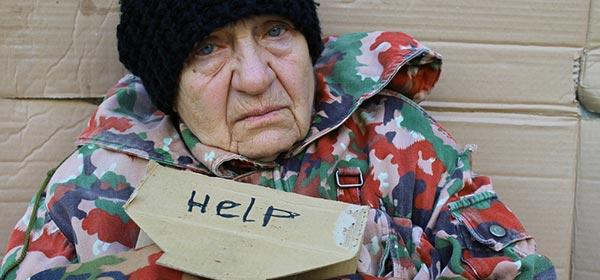
Older single women in Australia are at high risk of facing a crisis. One brought on by neoliberal ideologies and policies which intersect with gender and wage bias, along with the historical marginalisation of women in a patriarchal society. This crisis is homelessness and why it is exponentially growing can be understood through the lens of feminist standpoint theory and neoliberalism.

Like all theories, feminist standpoint theory has its limitations and uses. It assists with analysing and understanding this particular social justice issue because feminist standpoint theory considers the individual experiences of the women involved. It also takes into consideration women’s historical roles in society. Standpoint theory emerged from Marxism wherein it was seen that members of society who were oppressed were privy to knowledge the privileged class were not aware of (Borland 2020). In 1983 when Nancy Hartsock published her book “Money, Sex and Power” she provided a theoretical method which took into consideration women’s unique perspectives within society (Hekman 1997, p. 341). This theory also justified feminist claims regarding women being oppressed members of society and feminist standpoint theory as a methodology began (Hekman 1997). During the 80s and 90s other contributors to this theory included Sandra Harding, Merrill Hintikka, Patricia Hill Collins and Dorothy Smith (Hekman 1997; Borland 2020). Harding was of the view that even though scientific researchers claimed to be neutral, their research methods and results were sexist (Borland 2020, p.1).

Harding saw that by implementing standpoint theory, it would reveal the power held within ‘scientific authority’ and would create ‘knowledge that is embodied, self-critical and coherent’ (Borland 2020, p.1). Patricia Hill Collins contributed an African American feminist perspective arguing that race, gender, class oppression and lack of privilege for African American women also provided a unique perspective to the feminist landscape which needed to be seen (Borland 2020). Whilst standpoint theory can be seen as essentialist due to the implied belief that a universal female standpoint exists, theorists utilising feminist standpoint theory have chosen to focus on the ‘political aspects of social position’ from a feminist view rather than speaking for all women (Borland 2020, p.1). Use of feminist standpoint theory and practice, however, has come under scrutiny as it appears to challenge the more recent feminist theories which have emerged from ‘postmodernism and poststructuralism’ (Hekman 1997, p.342).

Nonetheless, Hekman (1997, p.342) argues that feminist standpoint theory is based on the understanding that “knowledge is situated and perspectival, and that there are multiple standpoints from which knowledge is produced.” Hawkesworth (1999) sees feminist standpoint theory not as an epistemology but as an analytical tool. Both Hawkesworth (1999) and Hekman (1997) posit there are various types of competing feminist standpoints and that by critically examining those, problems can be illuminated which Hawkesworth (1997, p.152) states …’empirical research must engage’.

When looking at the issue of older single homeless women in Australia some of the specific gender-based factors for this cohort are that their earlier lives have been shaped by the societal norm they would marry and their husband would provide for them in their roles as homemakers, child-bearers and predominantly mothers (Darab & Hartman 2013; Hartman & Darab 2017). According to McFerren & Laverty (2010),a high percentage of older single homeless women have suffered domestic violence or experienced adverse tragedy in their earlier lives. Common themes found in various studies concerning lack of housing security available to these women both now and into the foreseeable future, are cited as being systemic issues; domestic violence; age, wage, employment and gender discrimination; and relationship breakups (McFerren & Laverty 2010;Darab & Hartman 2013; Hartman & Darab 2017; Irwin & Leeson 2016; Sharman 2017; Faulkner & Lestner 2020). Invisibility via research and media representation of this group of women, which results in a lack of service provision specifically tailored for them, along with housing unaffordability, are also cited as being factors which are contributing to the increasing number of older women who are, or are becoming, homeless (McFerren & Laverty 2010; Darab & Hartman 2013; Hartman & Darab 2017; Irwin & Leeson 2016; Sharman 2017; Faulkner & Lestner 2020).

In 2017 Hartman & Darab conducted a qualitative research project using feminist standpoint theory regarding older homeless women and pathways to housing in the rural area of the Northern Rivers, New South Wales. They found intersectionality was occurring between gender, relationship status, aging and lack of home ownership (Hartman & Darab 2017). The absence of employment opportunities combined with minimal public transport were also cited as factors contributing to older single women becoming homeless in the region (Hartman & Darab 2017). Reasons Sharman (2017) gives for the rise in numbers of older single homeless women in her Victorian study are that these women, due to the roles they played earlier in their lives were locked out of the labour market and as such were prevented from accumulating superannuation and savings. Sharman (2017, p.51) also cites ‘adverse critical life experiences’ which are ‘non-normative’, as being a factor. For example, the unexpected death of a partner, ill health, sick children, unemployment or disability all can impact on an individual’s ability to function as they would normally expect to (Sharman 2017).

Other critical life events which Sharman (2017) states have impacted on older single women have been rental increases, mortgagee repossessions, evictions and housing stress brought on by increasing costs where 30 per cent or more of household income is required to secure housing. In addition to the aforementioned factors women’s work is often undervalued, unpaid or underpaid (Sharman 2017; Healy & Kidd 2013). Many women’s working lives are interrupted by children and they are often pushed into the dominant female industries of health, teaching and retail (Sharman 2017). Mostly relying on less pay than male counterparts along with part-time or casual work to meet family responsibilities results in less savings and less superannuation being accumulated by the time they retire (Sharman 2017; Healy & Kidd 2013). Recent research by Faulkner and Lestner (2020) estimated “240,000 women aged 55 or older and another 165,000 women aged 45-54 are at risk of homelessness” in Australia.

Whilst no government is responsible for exceptional individual life experiences, under the United Nations agreements Australia is privy to, the State is responsible for the provision of certain basic human rights to all citizens, which it does not appear to be adhering to. In 1976 Australia ratified the United Nations International Covenant on Economic, Social and Cultural Rights. At Article 11, 1., it states that adequate housing is a fundamental human right (Marston, McDonald & Bryson 2014; Australian Legal Information Institute 1976; Australian Human Rights Commission 1976; Human Rights and Equal Opportunity Commission 1996). The Universal Declaration of Human Rights, which Australia was a founding contributor to in 1948 and signatory of, at Article 25, states, “Everyone has the right to a standard of living adequate for the health and well-being of himself and his family, including … housing” (United Nations 1948).Despite these signed agreements, according to the Australian Bureau of Statistics 2016 Census, there were an estimated “6,866” homeless older women and “5,820” older women who were “living in marginal housing” and “may be at risk of homelessness” (Australian Bureau of Statistics 2017; Australian Human Rights Commission 2019a).

Further, older women are seen to be “the fastest-growing cohort of homeless Australians” evidenced by a 31 per cent increase occurring between 2011 and 2016. (Australian Human Rights Commission 2019a; Australian Human Rights Commission 2019b). Dominant neo-liberal ideology and practices which have been occurring in Westernised countries for the past 30 years are a major factor which impacts on homelessness (Bullen 2015; Hartman & Darab 2017). Neo-liberalism is a mode of governing which emphasises free markets, individuals being solely responsible for themselves and market like modes of service provision (Bullen 2015; Hartman & Darab 2017).

As a consequence of neoliberalism, there has been a shift away from discourses of homelessness being a social issue brought about by unemployment, poverty, domestic violence and disadvantage, to being one of a personal issue (Bullen 2015; Sharman 2017). This has consequently had a detrimental impact on service provision and created negative feelings of self-worth, blame and exclusion for homeless persons (Bullen 2015).  Policies implemented, which included the reduction of capital gains tax in 1999 and negative gearing in the late 1980s, have resulted in decreased housing affordability as house prices, compared to available income during the past 15 years, has increased sharply (Hartman & Darab 2017). Further, there has been a decline in public housing availability since the 1990s as the State’s focus has been on offering financial support for low-income earners via rent assistance within the private rental market, as well as implementing the first home owner’s grant, rather than providing public housing (Hartman & Darab 2017).

These policies have resulted in a rental market which favours investors and landlords (Hartman & Darab 2017). Media representation based on neo-liberal principles presents a perspective of homelessness, generally speaking, that some are deserving and undeserving of State assistance (Lyons & Smedley 2020). Those who are considered deserving are those who through no personal fault suddenly find themselves homeless and those who are classed as undeserving are often stereotyped as being slack due to the perception that they are incompetent (Lyons & Smedley 2020). What is missing from media representation regarding homelessness in Australia is a discussion concerning the growing number of single older women who are unable to secure a home (Lyons & Smedley 2020).

Whilst there is not a lot of research available regarding this sector of homelessness specifically, research does validate that a looming crisis is pending. Many factors are contributing to single older women becoming homeless in Australia, not the least of which are neoliberal ideology and practices that are proving to not only be detrimental to a whole generation of women currently but potentially also for women in the future.

Copyright C. O’Connor, November 2021.

References

Australian Bureau of Statistics 2017, 2016 Census, viewed 23 August 2020 https://www.abs.gov.au/websitedbs/censushome.nsf/home/2016 

Australian Human Rights Commission 2019a, Older Women’s Risk of Homelessness: Background Paper, viewed 20 August 2020,  https://humanrights.gov.au/sites/default/files/document/publication/ahrc_ow_homelessness2019.pdf

Australian Human Rights Commission 2019b, Risks of Homelessness in older women, viewed 20 August 2020, https://humanrights.gov.au/our-work/age-discrimination/projects/risk-homelessness-older-women  

Australian Human Rights Commission 1976, International Covenant on Economic, Social and Cultural Rights, viewed 20 August 2020, https://humanrights.gov.au/our-work/commission-general/international-covenant-economic-social-and-cultural-rights-human-rights 

Australian Legal Information Institute, Australian Treaty Series 1976, No 5, Department of Foreign Affairs, International Covenant on Economic, Social and Cultural Rights, United Nations, New York, viewed http://www.austlii.edu.au/au/other/dfat/treaties/1976/5.html  

Borland E 2020, Standpoint theory, viewed 20 August 2020, https://www.britannica.com/topic/standpoint-theory

Bullen J 2015, ‘Governing Homelessness: The Discursive and Institutional

Construction of Homelessness in Australia’, Housing, Theory and Society, 32:2, 218-239, doi:10.1080/14036096.2015.1024886

Darab, S & Hartman Y 2013, ‘Understanding Single Older Women’s Invisibility in Housing Issues in Australia’, Housing, Theory and Society, vol. 30, no. 4, pp. 1–20, doi:10.1080/14036096.2012.746944

Faulkner D & Lester L 2020, ‘400,000 women over 45 are at risk of homelessness in Australia The Conversation, viewed 23 August 2020https://theconversation.com/400-000-women-over-45-are-at-risk-of-homelessness-in-australia-142906

Hartman, Y & Darab, S 2017, ‘The housing pathways of single older non-home owning women in a rural region of Australia’, Journal of Rural Studies, vol. 54, pp. 234–243, doi:10.1016/j.jrurstud.2017.07.003.

Hawkesworth, M 1999, ‘Analyzing backlash: Feminist standpoint theory as analytical tool’, Women’s Studies International Forum, vol. 22, no. 2, pp. 135–155, doi:10.1016/S0277-5395(99)00003-5.

Healy, J & Kidd, M 2013, ‘Gender-based undervaluation and the equal remuneration powers of Fair Work Australia’, Journal of Industrial Relations, vol. 55, no. 5, pp. 760–782, doi: 10.1177/0022185613491683.

Hekman, S 1997, ‘Truth and Method: Feminist Standpoint Theory Revisited’, Signs, vol. 22, no. 2, pp. 341–365, doi:10.1086/495159.

Human Rights and Equal Opportunity Commission 1996, Housing as a human right, viewed 20 August 2020 https://humanrights.gov.au/sites/default/files/content/pdf/human_rights/housing.pdf

Irwin P & Leeson G 2016, ‘Late Middle-Aged Single Women and The Risk of Homelessness in Rural Australia’, The Gerontologist, vol. 56, no. Suppl3, pp. 719–719, doi:10.1093/geront/gnw162.2932.

Lyons G & Smedley C (2020) ‘The new face of homelessness? Examining media representations of women’s homelessness in five Australian news sources’, Journal of Social Distress and Homelessness, doi:10.1080/10530789.2019.1709269

McFerran, L & Laverty, S 2010, ‘It could be you: female, single, older and homeless’, Parity, vol. 23, no. 7, ISSN:1032-6170

Marston, G, McDonald, C & Bryson, L 2014, The Australian welfare state: who benefits now?, Palgrave Macmillan, South Yarra. 

Petersen, M 2015, ‘Addressing older women’s homelessness: service and housing models’ Australian Journal of Social Issues, vol. 50, no. 4, pp. 419–438,458, doi:10.1002/j.1839-4655.2015.tb00358.x.

Sharman A 2017, The Voices of Midlife Women Facing Housing Insecurity in Victoria, Australia, Social Policy & Society, Vol 16, No. 1, pp.49-63, doi:10.1017/S1474746415000603

United Nations 1948, Universal Declaration of Human Rights, viewed 23 August 2020, https://www.un.org/en/universal-declaration-human-rights/index.html

Multicultural Australia. A reality or a myth?

Australia is a country of polarity and diversity which purports a political ideology of all-inclusive multiculturalism. Yet at the core of the nation lays a foundation of institutional systems built on implicit and explicit conditioning which have their roots in the social construct of ethnocentric racism. The racialisation and othering of those who are not white has emanated from Australian Governments and through media commentary into every aspect of life for Aboriginal and Torres Strait Islander peoples since colonisation. Creating disadvantage, ill-health, intergenerational trauma and a lack of social equity for Indigenous Australians. An example of this racialisation and othering occurred during the public debate surrounding Adam Goodes stance against racism. A situation which could have been better understood and avoided if viewed through the lens of white habitus, cultural responsiveness and anti-racist practice.  

Historically, the Social Work profession is not exempt from creating catastrophic racist damage for Indigenous Australians. Issuing an apology to Indigenous Australians in 2004 for the profession’s role in creating inter-generational trauma, it was 2010 before the profession’s Code of Ethics was re-worded to include the ethical principles of social justice, human rights, respect for diversity, and provision of culturally competent, safe and sensitive practice which encompasses a commitment to valuing Indigenous Australians’ knowledge, experience, skills and relationships (International Federation of Social Workers 2018; Australian Association of Social Workers 2010; Green Bennett & Betteridge 2016). The Social Work profession, therefore, have a critical role to play in assisting with the de-colonisation of institutionalised racism.  

Since invasion by the British in 1788 ethnocentric implicit and explicit racism, originally based on social Darwinism, has permeated life for Aboriginal and Torres Strait Islander peoples. Racist behaviours have been foundational to the nation’s identity (Sherwood, Osmond & Phillips 2020). Aboriginals were seen by British colonisers to be a dying primitive race who were inferior to the British in culture, biology and morality (Hollinsworth 2006; Sherwood, Osmond & Phillips 2020; Bennett & Green 2019). Racist conditioning occurred by way of social Darwinism being taught to ‘successive generations of non-indigenous (and indeed indigenous) Australians’ resulting in institutionalised racism becoming both explicit and implicit within the Australian psyche (Hollinsworth 2006, pp. 83-84). This type of conditioning and its’ ongoing perpetuation can be understood and also eradicated when viewed from the concepts of Bourdieus’ habitus theory and also Whiteness theory, which when combined create the theory of White habitus (Walter, Taylor & Habibis 2011). Habitus, as seen by Bourdieu involved how people were socially conditioned via habits, dispositions and skills which determine their understanding of a situation and how they respond to it based on the cultural norms they have been exposed to (Emirbayer & Williams 2005; Walter, Taylor & Habibis 2011).

Whiteness theory focusses on and calls for the critical reflection of how white people do not normally see themselves as a race which holds power and dominance over other races (Walter, Taylor & Habibis 2011; Vanidestine & Aparicio 2019). When utilising White habitus, focus is moved away from othering and brought back to self, whilst also revealing how power relations and discourses are racially formed (Walter, Taylor & Habibis 2011; Young 2008). Explicit racism utilised by various Australian governments to maintain white ‘racial homogeneity’, originally involved extensive discursive efforts and repressive legislation to eradicate the country of the existing Aboriginals and their cultures (Sherwood, Osmond & Phillips 2020, p.98; Bennett & Green 2019). For example, in Queensland, legislation was implemented in 1897 via the Aboriginals Protection and Restriction of the Sale of Opium Act which served to codify beliefs that Aboriginals were a dying race, whilst asserting Australia as a white space in which Aboriginals did not belong (Sherwood, Osmond & Phillips 2020). Legislation such as this Act governed every aspect of Aboriginal life; their health, education, employment, housing, the justice system and welfare (Hollinsworth 2006; Briskman 2014; Bennett & Green 2019).

Australia’s institutionalised racism still exists, as was apparent in 2007 when the Howard Government implemented the Northern Territory Intervention, contravening international law in the process (Springer 2007). The Australian Bureau of Statistics (2016) states 2.8 per cent of the Australian population identify as Aboriginal or Torres Strait Islanders and in 2015 to 2016, according to the Australian Human Rights Commission (2017), 54 per cent of the complaints received concerning racism under The Racial Discrimination Act were received by Indigenous Australians. Racist practices, policies and media discourses have had and continue to have a major detrimental impact on Indigenous Australians’ health and wellbeing (Hollinsworth 2006; Briskman 2014). As the 2020 Closing the Gap Report indicates, current life expectancy for Aboriginal Australians involves the intersectionality of social determinants in which they are disadvantaged such as income, housing, education and employment, all of which are ‘estimated to be responsible for at least 34 per cent of the health gap between Indigenous and non-Indigenous Australians’ (Briskman 2014; Australian Government 2020 n.p.).

Statistics released in 2018 indicated the mortality rate for Indigenous Australians is approximately 1.7 times greater than for non-Indigenous Australians and the initiatives implemented by the Federal Government to close the mortality gap between the two groups is not on target to reach its’ objectives by 2031 (Australian Government 2020). Disadvantage created by institutionalised racism since colonisation concerning Aboriginal and Torres Strait Islanders is apparent in every area of Australian life and is often exacerbated by changing political policies and media discourses.

The Australian conservative media still perpetuate racist thinking, which would not exist if cultural responsiveness, white habitus and anti-racist practice was occurring across the board. The media provoked controversial public debate, involving the proud, highly accomplished Indigenous Australian Football League (AFL) player; Adnyamathanha man, Australian of the Year in 2014, Adam Goodes, divided the nation when between 2013 and 2015 he publicly stood against racism and freely expressed his indigeneity. Several examples of institutionalised racism from non-Indigenous media commentators Adam Bolt, Sam Newman and Alan Jones occurred, and as Waleed Aly pointed out facts were altered to support their racist views (Begone Abbott 2015; The Weekly 2015; Whoknowsuknow 2015). Various media outlets touted Goodes as a ‘sook’, ‘whinger’, ‘cry baby’ and it was stated he was ‘playing the race card’ (Guatum 2019, p. 17). When, in the AFL Indigenous Round, which recognises and celebrates Indigenous culture, Goodes performed a celebratory war cry dance, the situation escalated to the extreme where every time he played football he was loudly booed by the crowd in what de Souza (2018, p. 460) described as a ‘sonic barometer that measures who is accepted and who is rejected.’ Acting within a model of cultural responsiveness requires critical self-reflection, recognition of the impact social structures have on individuals, asks questions, allows for critical examination of the structures which create oppression and permits the challenging of those structure (Green, Bennett & Batteridge 2016).

A culturally responsive approach therefore would have de-escalated the situation by commentators asking questions in order to perceive the situation from Goodes perspective, whilst critically reflecting on their own behaviour, thereby showing respect and affirming the multicultural diversity which exists in Australia. Instead, inflammatory, derogatory, racist and ignorant statements were made which impacted on Goodes’ health (BBC HARDtalk 2020). A culturally safe response would have also encompassed being aware not only of Aboriginal history but of Goodes’ personal history because when he was racially vilified by a young girl and then subjected to the persistent media coverage and booing from crowds it all not only shocked him but triggered racist traumatic memories of childhood experiences (Green, Bennett & Betteridge 2016; BBC HARDtalk 2020). Whilst Eddie MacGuire, in his role as media commentator and Collingwood Football Club president, initially supported Goodes, both MacGuire and former Victorian Premier, Jeff Kennett publicly criticised Goodes’s dance as being deliberately provocative and defended the crowd’s booing as being an acceptable response (de Souza 2018). The persistent booing and various criticisms which surrounded Goodes created a toxic workplace which pushed Goodes into a deep depression, resulting in him walking away from the sport he loved in 2015, for the sake of his mental health (BBC HARDtalk 2020).

In 2016 Australians spoke 300 languages and whilst the country purports to embrace multiculturalism, ongoing debate has occurred for decades amongst the media, politicians and academics concerning the concept and implementation of a multicultural society (Australian Bureau of Statistices 2016; Koleth 2010). Fear-based conservatives like John Howard and Pauline Hansen have been concerned that a true multi-cultural Australia will undermine the existing social structures and they have wanted to continue ‘preserving constructions of Australian nationhood and culture’ (Koleth 2010, n.p.). Yet, science has proven race is not a biological fact, but a social construct designed to have power over others who are different to the white majority (California Newsreel 2003), which is why anti-racist practice is useful in relation to dismantling institutional racism. Stemming from Critical Race Theory there is agreement that racism is a widespread oppressive social construct (Ladhani & Sitter 2020; Constance-Huggins 2019).

Anti-racist practice respects individual agency, whilst challenging and resisting injustices as it involves a commitment to creating ongoing equal opportunities for all that aligns with ‘equity of outcome’ (Berman & Paradies 2009, p.218). Given the multitude of culturally diverse individuals existing in Australia today, Australian society, as an evolving entity, needs to move beyond colonial based institutionalised racism due to the damage it has and continues to create.  By utilising white habitus, cultural responsiveness and anti-racism to eliminate the racialisation of people and the othering that white Australians in powerful public positions currently use, all Australians can move into a future which is more dignified, respectful and equitable. As Social Work now holds the previously mentioned principles, values and ethics at its’ core, all Social Workers have a duty, responsibility and obligation to assist in educating, challenging and changing institutionalised racism in this country because whilst multiculturalism is something Australians claim to embody, statistically and historically speaking multiculturalism and embracing cultural diversity, is a concept, not a reality.

Copyright C. O’Connor, November 2021.

References

Australian Association of Social Workers, 2010, Code of Ethics, viewed 4 November 2020, https://www.aasw.asn.au/document/item/1201

Australian Bureau of Statistics 2016, Cultural Diversity in Australia:2016 Census Data Summary: What is Cultural Diversity?, viewed 4 November 2020, https://www.abs.gov.au/ausstats/abs@.nsf/Lookup/by%20Subject/2071.0~2016~Main%20Features~Cultural%20Diversity%20Data%20Summary~30#:~:text=WHAT%20IS%20CULTURAL%20DIVERSITY%3F,descent%2C%20and%20their%20religious%20affiliation.

Australian Government 2020, Closing The Gap Report, viewed 31 October 2020 https://ctgreport.niaa.gov.au/

Australian Human Rights Commission, 2017, Fact sheet: Racism, It stops with me: Community services announcements 2017, viewed 4 November 2020, https://humanrights.gov.au/our-work/race-discrimination/publications/fact-sheet- racism-it-stops-me-community-service

BBC HARDtalk 2020, Adam Goodes, Former Australian rules footballer – BBC HARDtalk, viewed 4 November 2020, https://www.youtube.com/watch?v=q9M6IiAvl4U

Begone Abbott 2015, Racist Liars Rewriting History to Boo Adam Goodes, viewed 3 November 2020, https://www.youtube.com/watch?v=Vo9S2k1RaxM

Bennett, B & Green, S 2019, Our voices: Aboriginal social work, Second edition., Red Globe Press, London.

Berman, G & Paradies, Y 2010, ‘Racism, disadvantage and multiculturalism: towards effective anti-racist praxis’, Ethnic and Racial Studies, vol. 33, no. 2, pp. 214–232, doi: 10.1080/01419870802302272.

Briskman, L 2014, Social work with indigenous communities: a human rights approach, 2nd ed., The Federation Press, Annandale, NSW. 

California Newsreel 2003, Episode One – The Difference Between Us; Video 1 of playlist “Race – The Power of an Illusion”, viewed 4 November 2020, https://usc.kanopy.com/video/race-power-illusion-0

Constance-Huggins, M 2019, ‘Critical Race Theory in Social Work Education’, Critical Social Work, vol. 13, no. 2, doi:10.22329/csw.v13i2.5861.

de Souza, P 2018, ‘What does racial (in)justice sound like? On listening, acoustic violence and the booing of Adam Goodes’, Continuum (Mount Lawley, W.A.), vol. 32, no. 4, pp. 459–473, doi: 10.1080/10304312.2018.1488524.

Emirbayer, M & Williams, E 2005, ‘Bourdieu and Social Work’ Social Service Review, vol. 79, no. 4, pp. 689–724, doi:10.1086/491604. 

Gautam, A 2019, ‘The monstrous other: Adam Goodes and the colonial legacy of “terra nullius”’ Social Alternatives, vol. 38, no. 4, pp. 16–20. ISSN: 0155-0306

Green, S, Bennett B & Betteridge S 2016, ‘Cultural Responsiveness and Social Work – a Discussion’ Social Alternatives, vol. 35, no. 4, pp. 66–72, viewed 4 November 2020, http://search.proquest.com/docview/1918326828/.

Hollinsworth, D 2006, ‘Race and Racism in Australia’, 3rd ed., Thomson Social Science Press, South Melbourne. 

International Federation of Social Workers 2018, ‘Global Social Work Statement of Ethical Principles’, viewed 31 October 2020, https://www.ifsw.org/global-social-work-statement-of-ethical-principles/

Koleth, E 2010, ‘Multiculturalism: a review of Australian policy statement and recent debates in Australia and overseas’, Parliament of Australia 2010, Research Paper no. 6 2010-2011, viewed 4 November 2020, https://www.aph.gov.au/About_Parliament/Parliamentary_Departments/Parliamentary_Library/pubs/rp/rp1011/11rp06

Ladhani S & Sitter K 2020, ‘The Revival of Anti-Racism’, Critical Social Work, vol. 21, no. 1, pp. 55-65, doi:10.22329/csw.v21i1.6227.

Shepherd, M 2020, ‘Adam Goodes’, Encyclopaedia Britannica, viewed 4 November 2020, https://www.britannica.com/biography/Adam-Goodes

Sherwood, C, Osmond, G & Phillips M 2020, ‘Aboriginality, Racial Discourse and Football Media in 20th-century Queensland’, Journal of Australian Studies, vol. 44, no. 1, pp. 97–113, doi: 10.1080/14443058.2019.1668821.

Springer, R 2007, ‘A Nightmare of the Neocolonial Kind: Politics of Suffering in Howards’ Northern Territory Intervention, Borderlands e-journal, vol. 6, no. 2, Nuclear Territory News, viewed 4 November 2020, http://www.borderlands.net.au/vol6no2_2007/stringer_intervention.htm

The Weekly 2015, ‘Adam Goodes Controversy’, viewed 4 November 2020, https://www.youtube.com/watch?v=vydY1UmWzAM

Vanidestine, T & Aparicio, E 2019, ‘How Social Welfare and Health Professionals Understand “Race,” Racism, and Whiteness: A Social Justice Approach to Grounded Theory’ Social Work in Public Health, vol. 34, no. 5, pp. 430–443, doi:10.1080/19371918.2019.1616645.

Walter, M, Taylor, S, & Habibis, D 2011, ‘How White is Social Work in Australia?’ Australian Social Work: On Australian Indigenous Social Work and Social Policy Part 1, vol. 64, no. 1, pp. 6–19, doi:10.1080/0312407X.2010.510892.

Whoknowsuknow 2015, ‘Sam Newman on Adam Goodes acting like a jerk’, viewed 4 November 2020, https://www.youtube.com/watch?v=J2g1ow2j_E0

Young S 2008, ‘Indigenous Child Protection Policy in Australia: Using Whiteness Theory for Social Work’, Sites: New Series, vol 5, no 1, viewed 4 November https://doi.org/10.11157/sites-vol5iss1id82 

Is the Governments’ response to homelessness in Australia effective?

According to the United Nations, every person has a basic right to adequate, safe, secure, and affordable housing. However, the volume of homeless citizens in Australia has been steadily increasing over the past two decades. Rising rates of homelessness continues to occur due to successive governments justifying the use of neoliberal ideology to lay the foundation of previous and present housing policies implemented by the Welfare State, which is making housing a market commodity and reducing people to consumers. Successive Federal Governments are seen to be addressing homelessness with various initiatives and strategies, yet the measures applied are counterproductive because with every change of government housing policies and funding changes. The majority of which have been creating financial incentives for investors and new or existing homeowners. Realistically these policies do not assist housing affordability for those unable to procure their own home. Further, increased median property values and house prices have occurred, pushing private market rental costs up exponentially, beyond the reach of many low and middle range income earners. As a consequence, a widening class gap between the homed and the homeless has been occurring due to people being treated by the Welfare State as consumers, not citizens. It is, after all, the hegemonic neoliberal principle to minimise the expenditure offered by the Welfare State to areas of society where the Welfare State previously played a significant role in the provision of services.

As a co-signatory to The United Nations (UN) Universal Declaration of Human Rights and the United Nations International Covenant on Economic, Social and Cultural Rights, Australia has a duty and obligation to ensure adequate housing exists for all citizens (United Nations 1948; Marston, McDonald & Bryson 2014; Australian Legal Information Institute 1976; Australian Human Rights Commission 1976; Human Rights and Equal Opportunity Commission 1996). According to the UN, citizens have the right ‘to a standard of living adequate for the health and well-being of himself and his family, including … housing’ (United Nations 1948, Article 25). This fundamental right forms part of international law yet governing neo-liberal ideology and globalization is proving to be a major detriment to alleviating homelessness rates in Australia (Bullen 2015; Hartman & Darab 2017; McRae & Nicholson 2017; Nicholls 2014; Hall 1993; Morris 2010; Francis-Brophy & Donoghue 2013).

Market-based policies enable easier ownership and housing investment for those on higher incomes, whereas, low to middle range income earners reliance on the private rental market has increased, rather than the Welfare State providing them with homeownership opportunities (Nicholls 2014; Francis-Brophy, E & Donoghue, J 2013).  Overall, a situation has been created whereby low and middle-income renters are struggling to afford adequate, safe, and secure housing, and due to neoliberal governance infiltrating social housing policy, depleting stocks of public housing are occurring (Nicholls 2014; Francis-Brophy & Donoghue 2013). As cited in Nicholls (2014) the Australian Institute of Health and Welfare (AIHW) (2007) indicated that public housing stocks in 1996 stood at approximately 372,00, decreasing to 340,00 by 2007.

Neoliberal ideology consists of economic policies which delivers limited involvement by the government to provide services, prioritising the deregulation of markets (Allan, Briskman & Pease 2009). Such ideology is concerned with growing the economy and serves to aid rather than challenge or address the circumstances which create a lack of housing security (Willse 2010).  Further, Neoliberal ideology consists of a framework of policies which emphasises movement away from the Welfare State to create competitiveness within the international market (Allan, Briskman & Pease 2009). Neoliberal ideology backs global capitalism and creates a societal environment of individual responsibility, competition and consumerism (Allan, Briskman & Pease 2009).

As a consequence, there is a reduction of expenditure in social welfare, whilst tax exemptions and tax incentives are offered to homeowners and investors (Marston, McDonald & Bryson 2014). Neoliberal governing, as revealed by the Australian Bureau of Statistics Census, indicates that in 2016 116,427 Australians were homeless compared to 95,314 enumerated as homeless in 2011 (Australian Bureau of Statistics 2017). That is a 14% increase of homeless Australian persons in five years (Pawson & Purcell 2018). These figures included the marginally housed or those who were living in overcrowded or temporary accommodation (Australian Bureau of Statistics 2017). Neoliberal governing does not reduce the rising numbers of homeless Australians, despite Australia’s obligations as a co-signatory to the aforementioned United Nations Human Rights documents.

Multiple policies and factors have created rising homelessness in Australia which can be understood via Marx’s conflict theory in relation to capitalism. Marxist conflict theory reveals an ideology which explains exploitation and oppression are created by the bourgeoisie or capitalist class as the owners of ‘productive property’, who strive to create and procure capital profit by reducing wages paid to the working class or proletariat (Coakley 2009; Yuill & Gibson 2011). The proletariat on the other hand ‘possesses no productive wealth or property’ (Yuill & Gibson 2011, p.30). As Marx’s theory claimed, a capitalist society which sets out on a quest to increase profits by relying on paying low wages for labour, industrialisation and free trade markets creates two opposing classes (Dominelli & Campling 1997). Marx saw that via exploitation of the proletariat by the bourgeoisie, the Westernised capitalism system creates conflict and inequality between the two classes (Seidman 2017).

This view of opposing classes, inequality and inequity can be seen within the Australian housing situation. Some neo-liberal policies that assist existing and new homeowners have included lucrative tax subsidies for owner-occupiers and investors such as the changes made by the Howard government in 1999 to Capital Gains Tax legislation which had been established by the Hawke Keating government in 1985 (Reinhardt & Steel 2006). Negative gearing, which began being widely used by housing investors in the 1980s offsets all housing-related expenditure against personal income for those who are renting their properties (Thompson & McDonald 2018; Australian Government 2020a, n.p.). The Australian Government (2020a, n.p.) states that in the financial year of 2012 to 2013 ‘over 1.9 million people earned rental income in Australia’, 1.3 million of those investors also claimed a loss on their rental investments. These policies, combined with the implementation of the First Homeowners Grant, which is a joint initiative between Federal and State governments, funded and run by State governments according to their respective legislation, and the deregulation of the finance sector in the 1970s have all contributed to soaring property values and rents (Australian Government, 2000; Battellino 2007: Marston; Marston, McDonald & Bryson 2014). This has led to the present-day increase in Australian citizens who cannot secure affordable housing (Battellino 2007: Marston, McDonald & Bryson 2014).

More recently, to assist with the economic recovery of the residential building market due to COVID shutdowns and restrictions, the Federal government has provided funding for building a new home or for renovating existing homes for those singles who earnt $125,000.00 or couples who earnt $200,000.00 in the financial year 2018 to 2019 (Australian Government 2020b). From the perspective of Marx’s conflict theory, capitalist class structures and domination by those holding power in the ruling class comes into play as high-income earners receive the incentives and funding from the Welfare State to procure more resources than those who are on low or middle-range incomes (Frances 2018; Van Krieken et al. 2014). Thus, Neoliberal capitalism is creating an ever-widening class gap in Australia between those who can afford secure, safe adequate housing and those who cannot procure basic housing security. 

The Welfare State has implemented various policies and funding to provide for homeless services and public housing over the past three decades. Three of these policies are the Commonwealth Rent Assistance (CRA), the National Housing and Homeless Agreement (NAHA), and The National Rental Affordability Scheme (NRAS) (Australian Government 2019a; Marston, McDonald & Bryson 2014). The CRA scheme was introduced for those receiving social security benefits from the Welfare State as part of the Commonwealth-State Housing Agreement (CSHA) during the mid-80s. Bob Hawke sought to address the housing affordability issue which had arisen since the 1950s when it was seen by the Welfare State that providing public housing was more expensive than supporting homeownership and reliance by citizens on the private rental market (Morris 2010). Hawke acknowledged rising inflation and unemployment was creating a situation where an ever-increasing percentage of Australians were experiencing housing stress and were unable to become homeowners.

From 1984-85 to 1994-95 under the Hawke/Keating Government ‘one-quarter of CSHA expenditure’ towards CRA increased by ‘approximately one and half times’ (McIntosh & Phillips 2001). When the Howard Government came into power between 1996 and 2007, funding for public housing was slashed and as cited in Morris (2010) the AIHW (2005) stated that public housing stock plunged from 388,000 in 1995 to 335,00 in 2005. This decline was also due to the Howard Government demolishing public housing or selling stock to developers and tenants (Arthurson 2004). These changes to public housing stock were offset by increased CRA expenditure and also by community housing; however, those measures only achieved minimal impact in alleviating homelessness (Morris 2010). CRA calculations encompass no variation geographically, so a person receiving maximum benefit in an area of high rental costs will acquire the same CRA as a person entitled to maximum benefit in a low rental cost area (Morris 2010). As of September 2020, CRA is calculated at .75c given per $1 paid in rent with criteria regarding cost of rent in various circumstances and the highest rate of support being $185.36 per fortnight (Australian Government 2020c). According to the Queensland Government (2020), the current median rent per week for a 3-bedroom house on the Sunshine Coast is $450. The fortnightly maximum jobseeker payment, excluding the recently implemented Coronavirus supplement as per Australian Government (2020d) is $612.00. Combined with CRA the maximum an unemployed person usually receives is $797.36 per fortnight to cover rent and other living expenditure and with increasing unemployment rates, there becomes an increase in homelessness rates.

In addition to CRA, NRAS was also introduced to address homelessness. In 2008, the Council of Australian Governments recognised housing affordability and homelessness was ‘an issue of community concern’ (Australian Government 2011, p.3). NRAS was established to address those concerns by providing private rental assistance to low and middle range income earners (Australian Government 2020e, n.p.). A commitment was given by the Federal and State Governments under NRAS to ‘provide financial incentives’ which would ‘increase the supply of affordable rental housing’, ‘reduce the rental costs for low to moderate income households’ and ‘encourage the large-scale investment and innovative delivery of affordable rental housing’ within the private rental market (Australian Government, 2020e, n.p.).  Property developers, not for profit organisations and community housing providers were targeted with those financial incentives and with a change of Government came another change of policy when the Rudd/Gillard/Rudd Government lost the election in 2013 and the Abbott Government was formed (Australian Government, 2020e, n.p.). It was announced in the 2014-15 budget that NRAS would cease to operate in 2026 (Australian Government, 2020e, n.p.).  

In 2009, the Rudd Government replaced the CSHA with the NAHA to ‘improve Australians’ access to secure and affordable housing across the housing spectrum’ (Thomas 2017; Australian Government 2019b). As cited in Marston, McDonald and Bryson (2014, p.115) according to the Council of Australian Governments (2012, p.3) the NAHA was implemented to ensure that supported housing also contributed to ‘social and economic participation’. Placing prominence in the area of ‘social and economic participation’ is seen by Marston, McDonald and Bryson (2014, p.115) to be a reflection of the Welfare State attempting to align ‘housing and employment policy’ which weakens the fundamental right of all to acquire adequate housing. During the period 2009-10 to 2012-13 the Welfare State, via the NAHA, committed $800 million towards services for the homeless (Marston, McDonald & Bryson 2014, p.115). In 2009, the Rudd/Gillard Government also established the ‘Prime Minister’s Council on Homelessness’ who reported to the Prime Minister regarding the progress being made to ‘end homelessness’ (Parsell & Jones 2014, p.431). This Council was ‘disbanded in 2013’ when the Abbott Government came into power (Parsell & Jones 2014, p.431). Despite a 14% increase in the number of homeless persons between 2011 and 2016, in 2019-20 the Morrison Government only allocated $125 million towards services for the homeless (Pawson & Purcell 2018; Australian Government, 2019b). Notwithstanding that the Welfare State has implemented various policies and funding to improve housing affordability and alleviate homelessness in Australia over the past three decades, whenever there is a change of Government previous housing policies, funding and schemes are disregarded and new ones implemented.

The housing affordability and homelessness experience in Australian has been developed on Neoliberal based policies. These policies do nothing to alleviate the homelessness situation which continues to rise as unemployment figures and housing affordability costs rise. Neoliberal ideology has changed housing from being a fundamental basic human right to a market commodity with the Welfare State treating people as consumers, not citizens. As per Marx’s conflict theory, with capitalism and globalisation has come an ever-widening class gap between high, middle and low range income earners, and the homed and homeless. Despite attempts by various Australian Governments to respond effectively in decreasing the rising rates of homelessness, they have failed.

Copyright C. O’Connor November 2020.

References

Allan, J, Briskman, L, & Pease, B 2009, Critical social work: theories and practices for a socially just world, 2nd ed., Allen & Unwin, Crows Nest, N.S.W.

Australian Government 2000, First Home Owner’s Grant’ viewed 5 October 2020 http://www.firsthome.gov.au/

Australian Bureau of Statistics 2017, 2016 Census, viewed 5 October 2020 https://www.abs.gov.au/websitedbs/censushome.nsf/home/2016

Australian Government, 2011, NRAS Policy Guidelines-Affordable Housing Consulting, viewed 20 October 2020, https://www.nras.com.au/uploads/2/4/3/3/24335326/nras_policy_guidelines_fahcsia_1.pdf

Australian Government 2019a, Department of Social Services, Housing Support, Programs and Services, viewed 20 October 2020, https://www.dss.gov.au/housing-support

Australian Government 2019b, Department of Social Services, Housing Support, National Housing and Homelessness Agreement, viewed 20 October 2020, https://www.dss.gov.au/housing-support-programs-services-homelessness/national-housing-and-homelessness-agreement 

Australian Government 2019c, Department of Social Services, Housing Support, Commonwealth Rent Assistance, viewed 20 October 2020, https://www.dss.gov.au/housing-support/programmes-services/commonwealth-rent-assistance 

Australian Government 2020a, The Treasury, Negative Gearing, viewed 5 October 2020 https://treasury.gov.au/review/tax-white-paper/negative-gearing 

Australian Government, 2020b, The Treasury, Economic Response to the Coronavirus, HomeBuilder Fact Sheet, viewed 6 October 2020 https://treasury.gov.au/coronavirus/homebuilder 

Australian Government, 2020c, How much you can get, viewed 20 October 2020, https://www.servicesaustralia.gov.au/individuals/services/centrelink/rent-assistance/how-much-you-can-get

Australian Government, 2020d, How much can you get, viewed 20 October 2020, https://www.servicesaustralia.gov.au/individuals/services/centrelink/jobseeker-payment/how-much-you-can-get

Australian Government, 2020e, About the National Rental Affordability Scheme (NRAS), viewed 20 October, 2020, https://www.dss.gov.au/housing-support-programs-services-housing-national-rental-affordability-scheme/about-the-national-rental-affordability-scheme-nras

Australian Human Rights Commission 1976, International Covenant on Economic, Social and Cultural Rights, viewed 5 October 2020, https://humanrights.gov.au/our-work/commission-general/international-covenant-economic-social-and-cultural-rights-human-rights 

Australian Legal Information Institute, Australian Treaty Series 1976, No 5, Department of Foreign Affairs, International Covenant on Economic, Social and Cultural Rights, United Nations, New York, viewed 5 October 2020,http://www.austlii.edu.au/au/other/dfat/treaties/1976/5.html

Arthurson, K 2004, ‘From stigma to demolition: Australian debates about housing and social exclusion’, Journal of Housing and the Built Environment, vol. 19, no. 3, pp. 255–270, doi: 10.1007/s10901-004-0692-1.

Batellino R 2017, ‘Australia’s experience with financial deregulation’,Reserve Bank of Australia, viewed 5 October 2020 https://rba.gov.au/speeches/2007/sp-dg-160707.html#:~:text=One%20of%20the%20first%20major,pay%20on%20some%20wholesale%20deposits.&text=As%20noted%2C%20this%20began%20in,effectively%20for%20deposits%20and%20loans

Bullen J 2015, ‘Governing Homelessness: The Discursive and Institutional

Construction of Homelessness in Australia’, Housing, Theory and Society, 32:2, 218-239, doi:10.1080/14036096.2015.1024886

Coakley, J 2009, Sports in society:issues and controversies, 10th ed., McGraw-Hill, New York.

Dominelli, L & Campling, J 1997, Sociology for social work, Macmillan, Houndmills England.

Eslake S 2013, Australia Housing Policy: 50 Years of Failure, Submission to the Senate Economics References Committee, viewed 5 October 2020. 

Francis-Brophy, E & Donoghue, J 2013, ‘Social Housing Policy Challenges in Tasmania’ Australian Journal of Social Issues, vol. 48, no. 4, pp. 435–454,495, doi: 10.1002/j.1839-4655.2013.tb00292.x. 

Frances, M 2018, Theories of Homelessness, viewed 6 October 2020 https://sites.chapman.edu/capstoneprojectsinpeacestudies/2018/02/15/theories-of-homelessness/

Hall, PA 1993, ‘Policy Paradigms, Social Learning, and the State: The Case of Economic Policymaking in Britain’, Comparative Politics, vol. 25, no. 3, pp. 275–296, doi: 10.2307/422246.

Hartman, Y & Darab, S 2017, ‘The housing pathways of single older non-home owning women in a rural region of Australia’, Journal of Rural Studies, vol. 54, pp. 234–243, doi:10.1016/j.jrurstud.2017.07.003.

Human Rights and Equal Opportunity Commission 1996, Housing as a human right, viewed 5 October 2020, https://humanrights.gov.au/sites/default/files/content/pdf/human_rights/housing.pdf

Marston, G, McDonald, C & Bryson, L 2014, The Australian welfare state: who benefits now?, Palgrave Macmillan, South Yarra.

McIntosh, G & Phillips, J 2001, The Commonwealth-State Housing Agreement, Parliament of Australia, viewed 20 October 2020,https://www.aph.gov.au/about_parliament/parliamentary_departments/parliamentary_library/publications_archive/archive/statehouseagree#:~:text=The%201989%20CSHA&text=Joint%20Commonwealth%2DState%20assistance%20plans,Rent%20Assistance%20(RA)%20scheme.

McRae, R & Nicholson, D 2004, ‘No place like home: homelessness in Australia and the right to adequate housing’, Australian Journal of Human Rights: Symposium: Housing, Homelessness and Human Rights, vol. 10, no. 2, pp. 27–58, doi:10.1080/1323238X.2004.11910781. 

Morris, A 2010, ‘The lack of a right to housing and its implications in Australia’, Journal of Australian Political Economy, vol. 65, pp. 28–57, ISSN:01565826.

Nicholls, S 2014, ‘Perpetuating the problem: neoliberalism, commonwealth public policy and housing affordability in Australia’, Australian Journal of Social Issues, vol. 49, no. 3, pp. 329–347, doi:10.1002/j.1839-4655.2014.tb00316.x.

Parsell, C & Jones, A 2014, ‘Bold reform or policy overreach? Australia’s attack on homelessness: 2008-2013’, International Journal of Housing Policy, vol. 14, no. 4, pp. 427–443, doi: 10.1080/14616718.2014.967923.

Pawson H & Parcell C 2018, Homelessness: Australia’s shameful story of policy complacency and failure continues, The Conversation, viewed 5 October 2020, https://theconversation.com/homelessness-australias-shameful-story-of-policy-complacency-and-failure-continues-95376

Queensland Government, Residential Tenancy Authority 2020, 2020 Median Rents Quarterly Data, viewed 20 October 2020, https://www.rta.qld.gov.au/forms-resources/median-rents-quick-finder/median-rents-quarterly-data/2020-median-rents-quarterly 

Reinhardt S & Steel L 2006, ‘A Brief History of Australia’s Tax System’, Australian Government, The Treasury, viewed 5 October 2020. 

Seidman, S 2017, Contested Knowledge: Social Theory Today, Sixth Edition, John Wiley & Sons, Ltd., Chichester, West Sussex.

Thomas, M 2017, Social Housing and Homelessness Budget Review 2017-18 Index, Parliament of Australia, viewed 20 October 2020,https://www.aph.gov.au/About_Parliament/Parliamentary_Departments/Parliamentary_Library/pubs/rp/BudgetReview201718/Social_housing_and_homelessness#:~:text=The%20NAHA%20was%20introduced%20by,governments%2C%20provided%20funding%20for%20housing

Thompson G & McDonald A 2018, ‘Negative gearing changes ‘could tip Australia into recession’ warns John Symond’, ABC News 2018, viewed 5 October 2020 https://www.abc.net.au/news/2018-12-12/housing-industry-insiders-issue-negative-gearing-warning/10602484#:~:text=Negative%20gearing%20has%20been%20available,than%20is%20earned%20from%20rent.  

United Nations 1948, Universal Declaration of Human Rights, viewed  5 October 2020, https://www.un.org/en/universal-declaration-human-rights/index.html

Van Krieken, R, Habibis, D, Smith, K & Martin, G 2014, ‘What is Sociology?’, in Sociology:themes and perspectives, 5th edn, Pearson Australia, Frenchs Forest, pp.1-25.

Willse, C 2010, ‘Neo-liberal biopolitics and the invention of chronic homelessness’, Economy and Society, vol. 39, no. 2, pp. 155–184, doi:10.1080/03085141003620139.

Yuill, C & Gibson, A 2011, Sociology for social work: an introduction, Sage, Los Angeles, Calif, London.

The Silencing of Women

I’ve recently found myself reflecting more deeply on this topic — not only through personal experience but also within the broader context of history.

If we look back through time, the silencing of women has taken many forms. From the persecution of female healers, midwives, and wise women branded as witches — hunted and executed for their knowledge and power — to being treated as property in arranged marriages made for wealth and status. The suppression of women’s voices and autonomy has been woven through centuries of child abuse, domestic violence, workplace bullying, and societal exclusion.

After the Second World War, many women who had stepped into essential roles during the conflict were pushed back into narrowly defined domestic lives. When some resisted, spoke out, or struggled with the restrictions placed upon them, they were pathologised — labelled as suffering from “hysteria,” institutionalised, medicated, and dismissed. Education, politics, medicine, and leadership positions were, for generations, gatekept from women, reinforcing a pattern of silencing.

This is not a history confined to the past.

Recently, in my own life, I was on the receiving end of a demand from a man to remain silent. I was told my feelings and experiences were “shit and crap,” and casually asked if I was “having a mental breakdown.” The echo of that old, patriarchal diagnosis — hysteria — felt unmistakable.

It left me wondering: was this an isolated individual’s discomfort with hearing my truth, or a reflection of a much deeper, longstanding pattern embedded within our culture?

Either way, I don’t respond well to demands, and no — I did not remain silent.

It made me reflect on why, when women make up half the population — the very half without which these men, or indeed any of us, would not exist — there remains a need in some quarters to silence women’s voices.
Is it the fear of discomfort? The loss of control? The challenge to long-standing narratives?

I don’t claim to have answers. In my case, I was ignored, dismissed, and left unheard. But what I do know is that the silencing of women must end. It has cost us too much, for too long.

And perhaps, in refusing to be quiet, we begin to unravel the very systems that rely on our silence.


📌 Food for Thought:

When have you felt the demand to stay silent?
What might have changed if you’d spoken your truth?


“Our silence will not protect us.”
— Audre Lorde

Cheers, C 💜