The Origins, History, and Benefits of Reiki and Seichim
Energy healing has been practiced across cultures for centuries, weaving spiritual, physical, and emotional wellbeing into a holistic tapestry of care. Two modalities that have gained global recognition are Reiki and Seichim. Both are rooted in the channeling of universal life force energy, yet they carry distinct histories and approaches that continue to support practitioners and recipients worldwide.
The Origins of Reiki
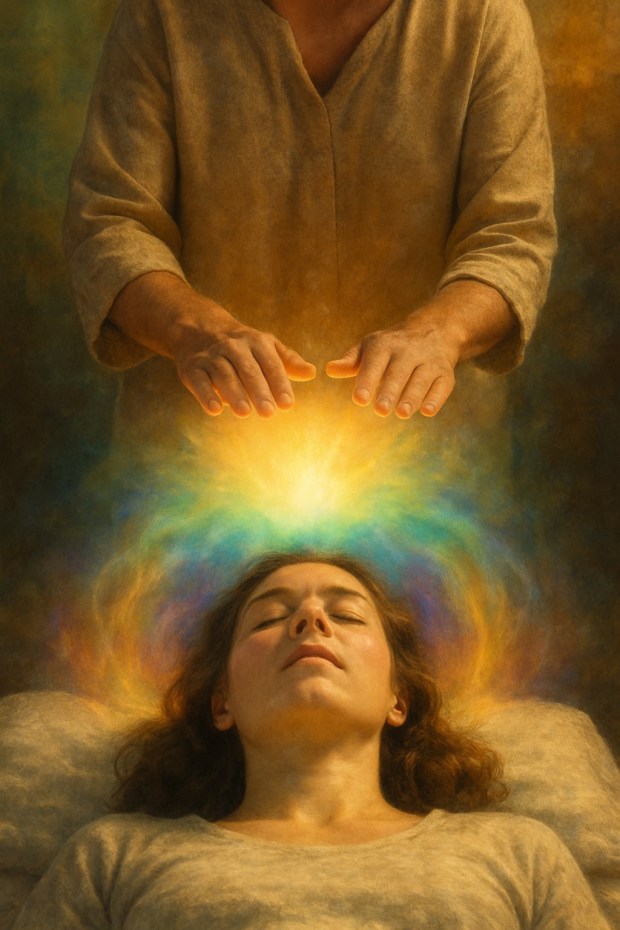
Reiki, meaning “universal life energy” in Japanese, was founded by Mikao Usui in the early 20th century. Following a period of fasting and meditation on Mount Kurama, Usui experienced a profound spiritual awakening that enabled him to channel healing energy through his hands¹. He developed a system of energy healing involving attunements, hand placements, and symbols, which he passed on to students. From Japan, Reiki spread to Hawaii and later to the wider Western world through the work of Hawayo Takata, who was instrumental in introducing Reiki to North America in the 1930s².
The Origins of Seichim
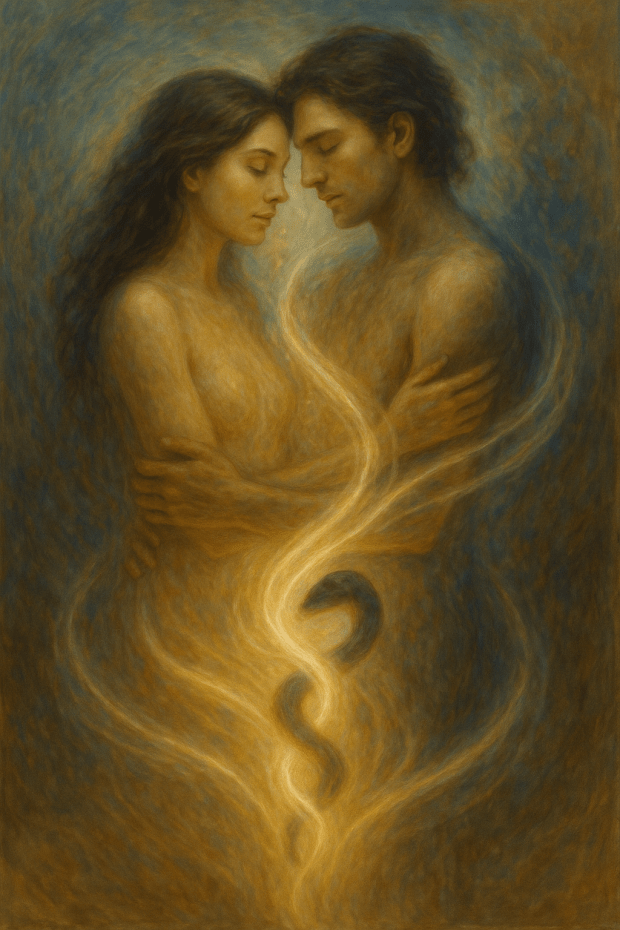
Seichim (also spelled Sekhem or Seichem) is often described as the “mother energy” of Reiki, with roots that are said to extend back to ancient Egypt³. Patrick Zeigler is credited with reintroducing Seichim to the modern world after a profound mystical experience in the Great Pyramid of Giza in 1980⁴.
Seichim carries both fierce and compassionate aspects. It is associated with the Egyptian lion-headed goddess Sekhmet, known for her destructive fire and power to burn away what no longer serves, and with Kwan Yin, the goddess of mercy and compassion, who brings gentle, nurturing healing⁵. Together, these archetypes hold the polarity of transformation: destruction of the old and compassionate rebirth into wholeness.
My Journey with Reiki and Seichim
For me, these modalities have not only been practices but life-changing pathways of healing. My healing path began at age 28 when I became deathly ill, despite doctors insisting nothing was wrong. In my 30s, I began attunements in Reiki and Seichim. Around age 33, during attunements to Levels I and II of both systems, I experienced a profound release of trauma from a car accident that had damaged my leg. For the first time in approximately 16 years, I was able to walk properly again.
In 1999, I became a Reiki Master, and in 2000, a Seichim Master. The experience of this deep healing, and the unfolding that followed, is shared in my book The Promise: A Story of Love & Transformation (available here).
The History and Spread
Reiki gained official recognition in Japan, particularly during times of war, when it was used to support soldiers’ recovery⁶. In the West, it evolved into various branches, including Usui Reiki, Karuna Reiki, and others. Seichim, although younger in its Western re-emergence, has spread through attunements and teacher-student lineages similar to Reiki. Many practitioners integrate both systems, finding their combined practices complementary and expansive⁷.
Benefits of Reiki and Seichim
Reiki and Seichim work together like two waves of energy. Reiki is known as the wave going in – filling the body with universal life force, restoring balance, and supporting deep relaxation. Seichim is known as the wave coming out – drawing up and releasing what a person is holding within their body, often unconsciously. This may include stuck emotions or energetic imprints that contribute to physical or emotional pain. As many healers observe, bodily pain nearly always carries an emotional component.
Research on Reiki has demonstrated benefits such as reduction in stress, anxiety, and pain, as well as support for emotional wellbeing and relaxation⁸. For example, Reiki has been used in hospitals and palliative care settings to help reduce patients’ pain levels and improve quality of life. Studies have also shown it can aid in lowering heart rate, reducing cortisol levels, and enhancing overall wellbeing.
Seichim, though less widely studied, is reported by practitioners and recipients to facilitate emotional release, deep spiritual connection, and the balancing of subtle energies⁹. Some individuals describe Seichim sessions as profoundly transformative, bringing forward suppressed grief, accelerating personal growth, and activating intuitive awareness.
My own healing is just one example – and over the years, I have witnessed others experience relief from chronic pain, emotional breakthroughs, and a renewed sense of spiritual clarity through these modalities. Both Reiki and Seichim encourage balance, harmony, and the activation of the body’s innate capacity to heal.
Distance Healing
A unique aspect of both Reiki and Seichim is that they are not limited by physical proximity. Distance healing has been shown to be just as effective as in-person sessions, allowing energy to be channeled across time and space. Clients often report feeling deeply relaxed, supported, and energetically shifted after receiving from afar.
At present, I am offering distance healing sessions only. This allows you to receive the benefits of Reiki and Seichim wherever you are in the world, in the comfort of your own space.
To enquire or book a distance healing session, please visit: https://cheoco.net/booking-payment/
Conclusion
Reiki and Seichim reflect humanity’s ongoing relationship with universal life energy. Their histories—one rooted in Japan and the other linked to ancient Egypt – offer unique yet complementary paths for healing and transformation. Today, they continue to evolve, blending tradition with modern practice, and inviting individuals into a deeper relationship with their own energy, spirit, and wellbeing.
About the Author
Cheryl O’Connor (Cheoco) is a Reiki Master (since 1999) and Seichim Master (since 2000), writer, and dreamwork practitioner based in Queensland, Australia. Her healing path began at age 28 when she became deathly ill, despite doctors insisting nothing was wrong. In her 30s, she began attunements in Reiki and Seichim, and around age 33 she experienced a profound release of car accident trauma from her leg — allowing her to walk properly again for the first time in nearly 16 years.
Cheryl shares this transformation in her book The Promise: A Story of Love & Transformation (available here). Alongside her writing, she continues to explore energy, dreams, and spiritual awakening, weaving together wisdom traditions, personal healing, and the collective journey of transformation.
References
- Hiroshi, D. (1997). The Reiki Handbook: Traditional Usui Reiki methods. Tokyo: Reiki Institute.
- Rand, W. L. (2011). Reiki: The healing touch. Southfield, MI: Vision Publications.
- Barnett, S., & Chambers, T. (1996). Healing energy: Unlocking the secrets of Reiki and Seichim. London: Aquarian Press.
- Zeigler, P. (1984). Seichim: The doorway to ancient healing wisdom. Giza: Pyramid Press.
- Petter, F. A. (1999). Reiki Fire: New information about the origins of the Reiki power. Twin Lakes, WI: Lotus Press.
- Becker, C. (2004). Reiki in clinical practice: A new paradigm in patient care. Complementary Therapies in Nursing & Midwifery, 10(3), 142–148.
- Stein, D. (2012). Essential Reiki teaching manual. Berkeley, CA: Crossing Press.
- Baldwin, A. L., Wagers, C., & Schwartz, G. E. (2008). Reiki improves heart rate homeostasis in laboratory rats. Journal of Alternative and Complementary Medicine, 14(4), 417–422.
- Honervogt, T. (2002). Seichim and Reiki: Healing energy for the new millennium. London: Thorsons.
© Cheryl O’Connor, 2025. All rights reserved.
Please do not reproduce without permission. Sharing with credit and a link is welcome.










 Cheryl O'Connor