Healing

Ancient Energy, Living Healing


The Origins, History, and Benefits of Reiki and Seichim

Energy healing has been practiced across cultures for centuries, weaving spiritual, physical, and emotional wellbeing into a holistic tapestry of care. Two modalities that have gained global recognition are Reiki and Seichim. Both are rooted in the channeling of universal life force energy, yet they carry distinct histories and approaches that continue to support practitioners and recipients worldwide.

The Origins of Reiki

Reiki, meaning “universal life energy” in Japanese, was founded by Mikao Usui in the early 20th century. Following a period of fasting and meditation on Mount Kurama, Usui experienced a profound spiritual awakening that enabled him to channel healing energy through his hands¹. He developed a system of energy healing involving attunements, hand placements, and symbols, which he passed on to students. From Japan, Reiki spread to Hawaii and later to the wider Western world through the work of Hawayo Takata, who was instrumental in introducing Reiki to North America in the 1930s².

The Origins of Seichim

Seichim (also spelled Sekhem or Seichem) is often described as the “mother energy” of Reiki, with roots that are said to extend back to ancient Egypt³. Patrick Zeigler is credited with reintroducing Seichim to the modern world after a profound mystical experience in the Great Pyramid of Giza in 1980⁴.

Seichim carries both fierce and compassionate aspects. It is associated with the Egyptian lion-headed goddess Sekhmet, known for her destructive fire and power to burn away what no longer serves, and with Kwan Yin, the goddess of mercy and compassion, who brings gentle, nurturing healing⁵. Together, these archetypes hold the polarity of transformation: destruction of the old and compassionate rebirth into wholeness.

My Journey with Reiki and Seichim

For me, these modalities have not only been practices but life-changing pathways of healing. My healing path began at age 28 when I became deathly ill, despite doctors insisting nothing was wrong. In my 30s, I began attunements in Reiki and Seichim. Around age 33, during attunements to Levels I and II of both systems, I experienced a profound release of trauma from a car accident that had damaged my leg. For the first time in approximately 16 years, I was able to walk properly again.

In 1999, I became a Reiki Master, and in 2000, a Seichim Master. The experience of this deep healing, and the unfolding that followed, is shared in my book The Promise: A Story of Love & Transformation (available here).

The History and Spread

Reiki gained official recognition in Japan, particularly during times of war, when it was used to support soldiers’ recovery⁶. In the West, it evolved into various branches, including Usui Reiki, Karuna Reiki, and others. Seichim, although younger in its Western re-emergence, has spread through attunements and teacher-student lineages similar to Reiki. Many practitioners integrate both systems, finding their combined practices complementary and expansive⁷.

Benefits of Reiki and Seichim

Reiki and Seichim work together like two waves of energy. Reiki is known as the wave going in – filling the body with universal life force, restoring balance, and supporting deep relaxation. Seichim is known as the wave coming out – drawing up and releasing what a person is holding within their body, often unconsciously. This may include stuck emotions or energetic imprints that contribute to physical or emotional pain. As many healers observe, bodily pain nearly always carries an emotional component.

Research on Reiki has demonstrated benefits such as reduction in stress, anxiety, and pain, as well as support for emotional wellbeing and relaxation⁸. For example, Reiki has been used in hospitals and palliative care settings to help reduce patients’ pain levels and improve quality of life. Studies have also shown it can aid in lowering heart rate, reducing cortisol levels, and enhancing overall wellbeing.

Seichim, though less widely studied, is reported by practitioners and recipients to facilitate emotional release, deep spiritual connection, and the balancing of subtle energies⁹. Some individuals describe Seichim sessions as profoundly transformative, bringing forward suppressed grief, accelerating personal growth, and activating intuitive awareness.

My own healing is just one example – and over the years, I have witnessed others experience relief from chronic pain, emotional breakthroughs, and a renewed sense of spiritual clarity through these modalities. Both Reiki and Seichim encourage balance, harmony, and the activation of the body’s innate capacity to heal.

Distance Healing

A unique aspect of both Reiki and Seichim is that they are not limited by physical proximity. Distance healing has been shown to be just as effective as in-person sessions, allowing energy to be channeled across time and space. Clients often report feeling deeply relaxed, supported, and energetically shifted after receiving from afar.

At present, I am offering distance healing sessions only. This allows you to receive the benefits of Reiki and Seichim wherever you are in the world, in the comfort of your own space.

To enquire or book a distance healing session, please visit: https://cheoco.net/booking-payment/

Conclusion

Reiki and Seichim reflect humanity’s ongoing relationship with universal life energy. Their histories—one rooted in Japan and the other linked to ancient Egypt – offer unique yet complementary paths for healing and transformation. Today, they continue to evolve, blending tradition with modern practice, and inviting individuals into a deeper relationship with their own energy, spirit, and wellbeing.


About the Author

Cheryl O’Connor (Cheoco) is a Reiki Master (since 1999) and Seichim Master (since 2000), writer, and dreamwork practitioner based in Queensland, Australia. Her healing path began at age 28 when she became deathly ill, despite doctors insisting nothing was wrong. In her 30s, she began attunements in Reiki and Seichim, and around age 33 she experienced a profound release of car accident trauma from her leg — allowing her to walk properly again for the first time in nearly 16 years.

Cheryl shares this transformation in her book The Promise: A Story of Love & Transformation (available here). Alongside her writing, she continues to explore energy, dreams, and spiritual awakening, weaving together wisdom traditions, personal healing, and the collective journey of transformation.


References

  1. Hiroshi, D. (1997). The Reiki Handbook: Traditional Usui Reiki methods. Tokyo: Reiki Institute.
  2. Rand, W. L. (2011). Reiki: The healing touch. Southfield, MI: Vision Publications.
  3. Barnett, S., & Chambers, T. (1996). Healing energy: Unlocking the secrets of Reiki and Seichim. London: Aquarian Press.
  4. Zeigler, P. (1984). Seichim: The doorway to ancient healing wisdom. Giza: Pyramid Press.
  5. Petter, F. A. (1999). Reiki Fire: New information about the origins of the Reiki power. Twin Lakes, WI: Lotus Press.
  6. Becker, C. (2004). Reiki in clinical practice: A new paradigm in patient care. Complementary Therapies in Nursing & Midwifery, 10(3), 142–148.
  7. Stein, D. (2012). Essential Reiki teaching manual. Berkeley, CA: Crossing Press.
  8. Baldwin, A. L., Wagers, C., & Schwartz, G. E. (2008). Reiki improves heart rate homeostasis in laboratory rats. Journal of Alternative and Complementary Medicine, 14(4), 417–422.
  9. Honervogt, T. (2002). Seichim and Reiki: Healing energy for the new millennium. London: Thorsons.

© Cheryl O’Connor, 2025. All rights reserved.
Please do not reproduce without permission. Sharing with credit and a link is welcome.


Beyond the “Toxic” Label: Healing the Wounded Masculine and Feminine

For quite some time now I’ve found myself sitting with the word “toxic”, a word that’s everywhere when people talk about behaviour.

In particular the phrase: “toxic masculinity” has been bothering me. As too has the phrase “he/she is toxic”.

I see it spoken of often, but I have never liked it because it feels heavy, final… and wrong because I don’t see toxicity at the root of these behaviours. I see wounds. I see a distortion of a once-sacred energy that has been bent out of shape by fear, silence, and survival. And we all carry it, men and women alike.

When we label a person as being “toxic,” we risk closing the door on that person’s healing. We make it sound as though the essence of the person in and of itself is dangerous, rather than acknowledging that the person and their original energy has been wounded and misdirected. Distorted energy is not beyond repair, it can be realised, the sacred remembered and restored, and brought back into harmony.


The Feminine Energy

The feminine is the receptive, intuitive, and nurturing force. She is the part of us that listens before acting, feels before deciding, and values connection over conquest.

Feminine qualities include:

  • Intuition – sensing beyond logic
  • Receptivity – openness to ideas, emotions, and experiences
  • Creativity – birthing visions, art, or possibilities
  • Compassion – empathy and care for self and others
  • Flow – moving with life rather than forcing it

When the feminine becomes wounded or distorted, it may show up as:

  • Over-giving and self-sacrifice
  • Difficulty setting boundaries
  • Suppressing one’s own needs to keep the peace
  • Emotional manipulation or withdrawal

The Masculine Energy

The masculine is the active, structured, and directional force. He is the part of us that creates plans, builds systems, and protects what matters.

Masculine qualities include:

  • Action – decisive movement towards a goal
  • Structure – healthy boundaries and discipline
  • Focus – clarity of vision and sustained attention
  • Protection – creating safe containers for growth
  • Logic – reasoning and problem-solving

When the masculine becomes wounded or distorted, it may show up as:

  • Control and domination
  • Suppressing emotion or rejecting vulnerability
  • Overwork and constant striving without rest
  • Aggression without cause
  • Seeing relationships or the earth as resources to be used rather than honoured


Why We Need Both

Neither energy is “better” than the other. Too much masculine without feminine can lead to burnout, control, and emotional disconnection. Too much feminine without masculine can leave us ungrounded, directionless, or unable to act on our visions. Healthy integration is the goal, the masculine providing structure for the feminine to flow, and the feminine infusing the masculine with heart and meaning.


Steps Toward Rebalancing

  • If you’re running on overdrive (masculine-heavy):
    Slow down, rest, journal, spend unstructured time in nature, or create without a deadline.
  • If you’re feeling unmoored (feminine-heavy):
    Set a clear, achievable goal, make a plan, and take the first step.

Why Language Matters

The words we use shape the energy of the conversation. When we say “toxic masculinity,” we unintentionally code the entire masculine essence as harmful. But if we speak of wounded or distorted energy, we acknowledge the hurt without erasing the sacred form underneath.

This shift in language invites compassion for Self and others and from compassion, real change becomes possible.


Recommended Reading

  1. “King, Warrior, Magician, Lover” – Robert Moore & Douglas Gillette
    A map of masculine archetypes and how they can be healthy or distorted.
  2. “Women Who Run With the Wolves” – Clarissa Pinkola Estés
    Reclaiming the instinctual feminine through myth and story.
  3. “The Way of the Superior Man” – David Deida
    Masculine purpose, polarity, and presence for all genders.
  4. “The Heroine’s Journey” – Maureen Murdock
    Exploring the feminine quest and the return to self.
  5. “Warrior Goddess Training” – HeatherAsh Amara
    Blending inner strength with self-compassion.
  6. “Sacred Union” – Anaiya Sophia
    The alchemy of divine feminine and masculine energies.

Final Reflection

This conversation isn’t about criticising the masculine or glorifying the feminine, it’s about remembering that both are sacred, both can be wounded, and both are needed. By speaking of distortion instead of toxicity, we leave space for healing, for truth, and for a return to balance.


© Cheryl O’Connor, 2025. All rights reserved.
Please do not reproduce without permission. Sharing with credit and a link is welcome.

Disclaimer: The information shared in this article and chart is for awareness and self-reflection only. It is not intended as psychological, medical, or therapeutic advice. If you are experiencing distress, please seek support from a qualified professional.

Holding Space for Grief: What Helps, What Hurts

Holding Space for Grief: What Helps, What Hurts

Grief shows up in many forms, after death, divorce, disappointment, or even the quiet loss of a future we thought we’d have. When someone we care about is hurting, it’s natural to want to help. But often, the words we reach for can do more harm than good.

Over the years, I’ve experienced my share of deep losses, and along the way, I’ve also heard a few spectacularly unhelpful comments. Well-meaning, perhaps. But misplaced. This article isn’t about judgement. It’s about awareness. If you’ve ever wondered what to say (or not say) to someone grieving, here are some gentle truths I’ve learned, rooted in lived experience, professional insight, and a whole lot of listening.

Grief Isn’t a Problem to Solve

When someone is grieving, whether from the death of a loved one or the breakdown of a meaningful relationship, the last thing they need is to be told to cheer up or get over it. These phrases might be common, but they’re far from kind.

Grief is not a mindset to be fixed. It’s a process that reflects love, attachment, and human depth. The more significant the loss, the longer the integration. And integration, not “getting over it”,is what healing truly looks like (Neimeyer, 2000; Kübler-Ross & Kessler, 2005). Because in truth, there is no “getting over” anything, not really. There is only getting through it, one breath, one memory, one moment at a time.

What Hurts: The Comments That Close the Heart

Here are a few things I’d gently suggest we retire from our vocabulary, especially when someone is hurting:

“Cheer up.” “You’ll just have to get over it.” “You’re just feeling sorry for yourself.” “Everything happens for a reason.” (Sometimes true, rarely helpful in the moment)

These comments, though sometimes offered with the intention of comfort, can feel invalidating and emotionally tone-deaf. They tend to shut people down rather than help them open up. They may even provoke anger, resentment, or withdrawal. As one person put it: “It made me want to give them a right hook.”

Why? Because when someone is grieving, they don’t need fixing. They need witnessing (Wolfelt, 2004).

What Helps: Listening, Presence, and Permission to Feel

Supporting someone in pain doesn’t require special training. You don’t need perfect words. You need your ears, to listen deeply without interruption or correction. Your presence, to let them know they’re not alone. Your arms, to offer a hug, if it’s welcome. That’s it.

Often, simply being with someone as they move through grief is the greatest gift you can give. When we speak our pain aloud, we begin to metabolise it. We don’t need answers, we need space. In fact, speaking allows a person to hear their own thoughts more clearly, and often, to reach their own realisations about what comes next. This is how true empowerment begins (Wolfelt, 2004; Neimeyer, 1999).

Grief Rewrites the Inner World

Grief often rewrites a person’s entire inner landscape. They may no longer feel like themselves. Their sleep may change, their appetite, their energy, their faith in others, or even in life itself. What looks like withdrawal might be someone simply trying to feel safe again in a world that no longer makes sense.

When we recognise that grief is not just emotional but cognitive, physiological, and spiritual, we can meet it with more compassion (Child and Youth Mental Health Service, 2009). Holding space isn’t just kindness, it’s allowing someone to reassemble their world without forcing a timeline.

Advice Isn’t Always Helpful, Even When It Comes From Love

Jumping in with advice, particularly when it’s not been asked for, can disempower the person who is grieving. Even if well-intentioned, it can feel like you’re steering their experience, rather than honouring it.

If you truly want to help someone move through pain, don’t rush to fix it. Don’t offer silver linings too quickly. Don’t confuse your discomfort with their need to be heard. Instead, you might try saying: “I’m here for you.” “This must be so hard, take your time.” “Would it help to talk, or would you prefer some quiet company?”

If they cry, hand them a tissue. Make a cuppa. Let them cry. Please don’t ask, “What’s wrong?”,because nothing is wrong. They’re grieving. They’re releasing. They’re healing (Beyond Blue, 2008).

Grief Isn’t Only About Death

It’s important to remember that grief doesn’t only follow death. It arises any time there is loss of identity, connection, or a sense of safety in the world. That includes: the end of relationships, the loss of a job or financial security, the death of a pet (which can be just as profound as losing a person), a major health diagnosis, moving homes or losing custody of children, the fallout from domestic violence, legal battles, or psychological trauma.

In family law especially, many people walk into a lawyer’s office having already lost so much, stability, trust, dreams for the future. What they need isn’t just legal advice. They need to feel seen as a whole human being.

Too often, lawyers are trained to focus solely on structure, precedent, and outcome. But when someone is living with the aftermath of emotional abuse, violence, or betrayal, those elements, while necessary, are not enough.

As someone who has worked across both legal and therapeutic systems, I offer this gentle reminder to those in the legal field: by the time someone reaches you, their world may have fallen apart. The trauma might not be visible, but it’s often sitting quietly in the room (Jigsaw Counselling, 2013).

You don’t need to be a counsellor. But you can be kind. You can listen just a little longer. You can avoid telling them to “move on” or “stay calm” before you’ve truly heard them out. You can refer them to trauma-informed professionals if they’re struggling to cope.

Your compassion may not be billable time, but it can be unforgettable. Trauma-informed presence matters more than polished technique. You don’t need to have the “right” words, you just need to be safe. Safety isn’t created by silence or solutions; it’s created by consistency, non-judgment, and allowing the person to be exactly where they are. For many, especially those experiencing PTSD, being heard without being redirected or doubted can be the most healing experience of all (Levine, 2010; van der Kolk, 2014).

Different People, Different Grief

Not everyone grieves the same way. Some cry openly, others go quiet. Some seek company, others solitude. Cultural background, personality, upbringing, and trauma history all shape how we move through loss. It’s important we don’t judge someone’s grief by how it looks. Stillness can hold oceans. And silence, sometimes, is survival (Walmsley, 2006).

Grief That Has No Name

Some grief isn’t obvious, like the grief of never having had what one needed. Or the grief that stacks silently after repeated change, instability, or systemic oppression. This is sometimes called disenfranchised grief or ambiguous loss, and it can be just as real and just as painful (Boss, 1999). We must create space for grief in all its forms, not just the ones that come with flowers and casseroles.

Let’s Talk About Bereavement Leave

It still stuns me that most workplace bereavement leave offers just three days, as if losing a child, partner, or parent is a brief interruption to your schedule, rather than a rupture to your entire existence. The expectation to return to “normal” so quickly speaks to how poorly grief is understood in our systems. It’s not just unfair, it’s cruel. Grievers need flexibility, support, and permission to be human. Anything less isn’t productivity, it’s trauma on top of trauma.

If You Are the One Grieving, Please Know This

You are not broken. You are not too sensitive. You are not behind. You are simply walking through the valley of loss. You don’t need to hurry. You don’t need to pretend. There is wisdom in your slowness. There is dignity in your pain. You are already healing, just by feeling.

Final Thoughts: Grief is Not a Detour, It’s a Doorway

We tend to treat grief like an interruption to normal life. But really, it’s a powerful, transformational part of it. So next time someone close to you is hurting, ask yourself: Can I be still enough to let them feel? Can I resist the urge to fix or judge? Can I offer presence, even when it’s messy?

In a world that often rushes past pain, being willing to stay, with honesty and heart, might be the most radical act of kindness we can offer.

Whether you are the one grieving, or the one standing beside someone in grief, thank you for caring. May we all become gentler with what we cannot see. And braver in how we hold one another through the sacred work of being human.


Written by Cheryl O’Connor (originally 2018, revised 2025)
Author | Artist | Holistic Counsellor | Social Worker
Exploring where structure meets soul , through law, healing, and symbolic art.


References

Beyond Blue. (2008). Grief, loss and depression. https://www.beyondblue.org.au
Boss, P. (1999). Ambiguous loss: Learning to live with unresolved grief. Harvard University Press.
Child and Youth Mental Health Service. (2009). Grief and loss fact sheet. Queensland Health.
Jigsaw Counselling. (2013). CHCCS426B Provide support and care relating to grief and loss assessment (V1).
Kübler-Ross, E., & Kessler, D. (2005). On grief and grieving. Scribner.
Levine, P. A. (2010). In an unspoken voice: How the body releases trauma and restores goodness. North Atlantic Books.
Neimeyer, R. A. (1999). Narrative strategies in grief therapy. Journal of Constructivist Psychology, 12(1), 65–85.
Neimeyer, R. A. (2000). Lessons of loss: A guide to coping. McGraw-Hill.
Walmsley, R. (2006). The grief workbook. Children, Youth and Women’s Health Service.
Wolfelt, A. D. (2004). Understanding your grief. Companion Press.
van der Kolk, B. (2014). The body keeps the score. Viking.


© Cheryl O’Connor (Cheoco) 2025. All rights reserved.
This article reflects personal experience, professional insight, and research-based knowledge.
Please share only with full credit and a link back to www.cheoco.com. Not intended as a substitute for professional advice.

Beyond the To-Do List

For many of us, simply being present, fully here, right now, is one of the greatest challenges we face. In Western culture especially, we’re conditioned to think in linear terms: past, present, future. We track what has been, plan what’s next, and often measure our lives by where we’re going and what we hope to achieve. We make lists, set goals, and feel comforted by having a plan. But underneath it all, we may be reacting not to what’s real, but to a story we’ve told ourselves about how things should go.

My mum, bless her, was the Queen of Organisation. With four children and a job, she had to be. Each of us had assigned chores, and our weeks were structured down to the minute. I grew up knowing exactly what I’d be doing, and when. While life still threw curveballs, I found the predictability comforting. When I became a mother myself, I quickly saw how being organised helped ease stress, and that habit carried over into my work life.

Over three decades in the legal industry only reinforced that rhythm. Planning ahead, meeting deadlines, staying in routine, all of it created a sense of order in what was often a stressful environment. But over time, the rhythm became a rut. I began to feel stuck, drained of joy, and quietly suffocated by the very structure that once kept me afloat. I also realised that when organisation becomes too rigid, it stops being helpful. It becomes control.

As I deepened in awareness, I started to sense that time, at least as we know it, might not actually exist. That all time is now. That things unfold not when we want them to, but when the energy aligns. And from that perspective, life became gentler. I stopped expecting things to go a certain way, and with that, emotional reactions softened. I found myself detaching, from outcomes, from expectations, from old habits of control.

I made fewer plans. “Going with the flow” evolved into being the flow. I became more spontaneous. I let things go if they weren’t working, and trusted that something better might be waiting to fall into place. The most I now plan is a basic outline, one day at a time. As for those job interview questions like, “Where do you see yourself in five years?”, I’ve come to see them as part of a cultural story that often robs us of presence, creativity, and possibility. How can we know what five years will bring? Sometimes, we don’t even know what the next five minutes will bring.

I learned the hard way: plans rarely go according to plan.

Now, if something I want to do just isn’t flowing, I don’t push it. If the energy is not aligned, I let it be. I’ve noticed how stressed people get when things don’t go “according to plan”, the frustration, the disappointment, the tension it can cause in relationships. But often, those delays or disruptions are gifts. Protection. Rearrangements. Or just not the right time yet. The puzzle pieces aren’t in place. And when they are, everything clicks.

I thought I had this all sorted. Skeletal plan? Check. Present moment awareness? Check. Calendar reminders so I didn’t forget the essentials?  Check. It was working beautifully, until one day when I found myself in a situation where communication had been unclear, and I didn’t know what I was “meant” to be doing next. I’d been told one thing, then it suddenly changed. I felt confused, unprepared, and frustrated.

Old habits kicked in: irritation, storytelling, the mental narrative of how it should have been communicated differently. And underneath it all, discomfort. My little comfort zone, small as it was, had been nudged.

Then came the gentle wisdom of another: Does it really matter what you are doing next?

In that moment, I had to laugh. Who was creating the confusion? The person who hadn’t communicated clearly? Or me, reacting to a story in my head, projecting into the future, and leaving the present moment behind?

It was such a simple lesson, offered in such an effective way: Just show up. Be present. Do what’s needed in the moment of now. Let go of the rest.

© Cheryl O’Connor, 2025. All rights reserved.
Please do not reproduce without permission. Sharing with credit and a link is welcome.

Energy, Awareness & the Power of Healing Connection

A serene figure outlined against a cosmic background, radiating light from the heart, symbolizing energy and spiritual healing.

One very profound thing my life has shown me is that all consists of energy vibrating at different frequencies — or what some may call “levels.” What appears to our logical, in-this-reality minds as solid and separate is, in truth, far from it. Basic science tells us that everything is made of atoms vibrating at different speeds. Quantum physics has gone even further, helping us understand that the solidity we perceive is not absolute. Consciousness is not limited by physical boundaries, nor by distance, nor by the illusion of the solid.

Where our attention and focus go, our energy flows. Music is a perfect example — its energy moves us, often literally. When sound is resonant and focused, it becomes a healing force. We feel it, and we dance.

Many of us have experienced how focusing on negativity seems to attract more of it, and the same goes for positivity. Our thoughts generate emotions, and our emotions generate energy. Change the thought, and you change the feeling. Feel the energy of an emotion, and it transforms. When released, it no longer holds power in the body — and in that transformation, we are no longer stuck. Blocked energy is a major contributor to illness and dis-ease. And dis-ease, at its root, is often simply the absence of ease within the Self.

Consciousness Beyond the Body

In conscious or active dreaming — sometimes called lucid dreaming, shamanic journeying, or astral travel — we become acutely aware that our consciousness is not confined to the body. In these states, we may fly, fall, or shape-shift. We may become animals, trees, mountains. We may walk through walls or explore “past” lives in bodies unfamiliar yet deeply known.

These experiences show us that we can merge with other energies, meet other beings — even interact with Souls who have passed on. In this space, time bends. Logic dissolves. And healing becomes possible on levels we often cannot reach in waking life.

I have found that when emotional resolution isn’t possible in physical reality, it can often be achieved through dreaming. Peace can be found. The nervous system can reset. The soul can breathe again.

Reiki and Seichim: A Personal Path

Most people are familiar with Reiki. Seichim, however, is less well known. I have received beautiful Reiki sessions that released energy gently or allowed me to drift into states of deep rest. But Reiki on its own, compared to the combined energy of Reiki and Seichim, is like comparing a torchlight to a spotlight. The combined energy is far more powerful.

Reiki is known as the wave of energy flowing in. Seichim is the wave flowing out.

Seichim is rooted in the teachings believed to have originated in Ancient Egypt (Sekhem), carried forward through Buddhist monks into India, and translated into Sanskrit. The hieroglyphic symbols for this energy are etched into pyramid walls and tombs. Sekhem is the domain of the lion-headed Goddess Sekhmet — both destroyer and healer. Kwan Yin, Goddess of Compassion, is associated with Seichim.

Like Reiki, Seichim can be practiced hands-on or from a distance. It is deeply feminine in nature — gentle, but direct. It addresses core patterns and beliefs, clears subtle body imprints, and helps restore physical, emotional, and spiritual health. As a tool for self-transformation, it accelerates personal evolution and brings us back into alignment with our fullest potential.

I have witnessed things during sessions that can only be described as miraculous. My hands often become hot, and I sometimes receive clear visions for the person I’m working with. These sessions are sacred. I never set an intention beyond asking that the session bring what is needed for the highest good.

My Story: Healing Through Energy

I once suffered for 18 years with a knee injury from a fatal car accident. I had seen specialists, done the rounds. Each told me I’d never regain full use of that knee. Then came my attunement to Reiki and Seichim. During that process, I released emotional trauma I hadn’t even realised I was carrying. And just like that — the pain lifted. I could walk without limping. I could bend my knee fully. It wasn’t subtle. It was transformational and miraculous.

My healing journey began with physical illness and dreams — profound, symbolic, and often startling experiences that reached far beyond ordinary sleep. As I began to work with them consciously, I realised they weren’t just stories; they were guides. They revealed emotional truth, soul memory, and future possibility, and they were the first threads in a much deeper transformation.

That unfolding, and everything it revealed about energy, healing, and connection, eventually led me to write The Promise: A Story of Love & Transformation. The book weaves together personal experience, soul connection, and the often invisible pathways that carry us toward wholeness. If my story speaks to something in you, you may find resonance within its pages too.

“Sometimes, we meet the ones who break us open—not to harm, but to awaken. Love doesn’t always look the way we thought it would, but it always arrives when the soul is ready. And when it does, there is no going back to sleep.”
The Promise: A Story of Love & Transformation

Healing isn’t always about fixing. Sometimes it’s about remembering. Returning to a truth you’ve always carried — that you are energy, that you are held, and that your inner world speaks in symbols, rhythms, and dreams. When you learn to listen, you start to come home.

If you’ve had a dream you can’t shake, a symbol that won’t let you go, or a feeling that something’s calling from beyond logic, follow it. That’s where the real work begins.

Working With Me

If you’re feeling drawn to experience distance healing or explore the symbolic language of your dreams, I offer personal and group sessions.

Session details, pricing, and the booking enquiry form can all be found on the Bookings and Payment page at www.cheoco.wordpress.com. Once your enquiry is received, I’ll be in touch with availability and next steps.

I’d be honoured to hold space for whatever is ready to move, release, or come home within you.

© Cheryl O’Connor 2025

Breathe, Feel, Heal: Remembering the Wisdom Within

“Dreamtime visions speak to me of the truth within,

Wisdom, Healing & Knowledge of Self to me they bring,

Helping me to know the true essence of my Soul,

enabling me to consciously experience

I AM …. One with the Whole.”

There is a life force running through all things. Some call it God, Spirit, Nature, Love, or Universal Energy. The name is less important than the feeling it brings and the healing it makes possible. When we remember this force, we begin to remember who we truly are.

For me, this energy first introduced itself through Reiki and later deepened with Seichim—two distinct yet connected frequencies of the same sacred current. Reiki is often associated with the Japanese lineage, while Seichim flows from Ancient Egypt, through the teachings of Sekhem and the energy of the fierce and compassionate goddesses Sekhmet and Kwan Yin.

Where Reiki is the wave flowing in, Seichim is the wave flowing out. Together, they form a complete cycle of energetic restoration.

A Multi-Layered Being

This healing work finds deep resonance with the Anthroposophical perspective of Rudolf Steiner, which sees the human being as a fourfold being:

  • Physical Body: The visible body, a map of our accumulated experiences and emotions.
  • Etheric Body (Energy Body): The life or breath body, responsible for vitality, healing, and rhythm. It thrives on sleep, air, water, nutrition, and nature.
  • Astral Body: The seat of memory and emotion. When the etheric is weakened, the astral can push through into the physical and cause dis-ease.
  • Core Self or “I AM”: The indwelling essence of who we truly are – divine, wise, and whole. This is not a “higher” self-perched on some pedestal, but the deepest truth of our being, right here, embodied. The notion of a “higher” self can often reinforce hierarchical thinking rooted in outdated paradigms. In truth, we are not reaching upward, we are remembering inward.

Further expanded by Barbara Brennan, this system includes seven energetic layers beyond the physical—each interpenetrating the other:

  1. Physical Body
  2. Etheric Body
  3. Emotional Body
  4. Mental Body
  5. Astral Body
  6. Etheric Template
  7. Celestial Body
  8. Ketheric Template

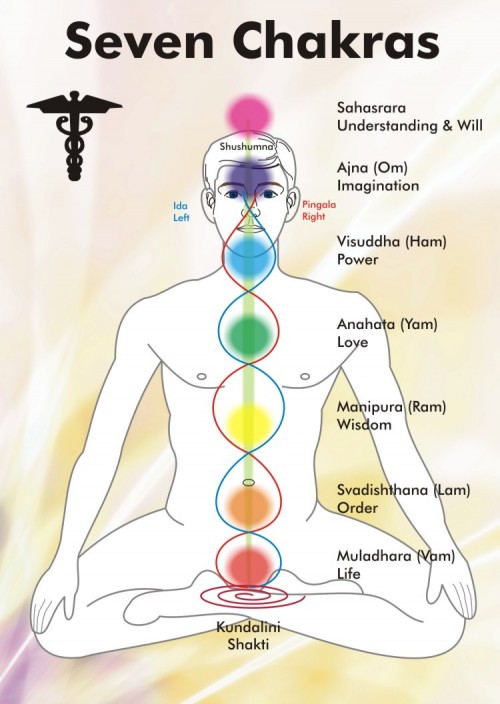
Each is linked to a chakra and vibrates at a unique frequency. Some healers also experience more than the standard seven chakras.

Blockages, Breath and the Map of the Body

In Reiki, Seichim, and Body-Based Counselling alike, imbalance and illness are seen to originate from energetic blockages—areas where life force energy cannot flow due to past trauma, grief, fear, suppressed emotions, or limiting beliefs. These imprints are stored in the subtle layers surrounding and entering the body.

When breath and awareness are consciously brought into these wounded areas, subconscious memories surface, and with them, release. In this process comes healing, insight, and a return to flow.

Brennan observed, “Illness is a result of imbalance, and imbalance is a result of forgetting who you are.” Others such as Baginski and Sharamon see symptoms as messages needing to be heard, accepted, and integrated before true healing can occur.

While approaches like CBT (Cognitive Behavioural Therapy) may assist some individuals in reframing thoughts and behaviours, they often stay in the mental realm. Deep transformation, however, often requires feeling, not just thinking. Jamie Sams says to feel is to heal. When emotion is acknowledged and expressed, the energy that has been held or suppressed is free to move again.

The Healing Power of Breath

When our bodies become stressed from pressure or anxiety, the adrenal glands release adrenaline. This hormone increases our heart rate to prepare for a fight-or-flight response. While this is a natural survival mechanism, it has side effects—particularly on the breath.

When we are anxious, our breathing becomes shallow. This reduces oxygen intake and can lead to fatigue, panic attacks, emotional distress, headaches, muscle tension, and even exacerbate conditions like PTSD.

Breath is life. It delivers oxygen to our cells and removes carbon dioxide, a key toxin. You can live without food or water for a time—but without oxygen, only minutes. Breath is also how we move life force energy. When pain is present, intentional breath can ease it. As infants and children, we naturally breathed into our bellies. But over time, many of us begin to breathe only into the upper chest, especially under stress.

Chest breathing results in irregular, rapid breaths. This reduces oxygen flow and limits the body’s ability to exhale toxins. The result? Fatigue, anxiety, and disconnection. The good news is: this pattern can be unlearned.

The Benefits of Cyclic Deep Breathing

  • Stimulates the lymphatic system, aiding detox and healing.
  • Strengthens immunity by supporting the body’s self-healing capacity.
  • Balances brain hemispheres and calms the nervous system.
  • Reduces anxiety and helps regulate emotional response.
  • Can be practiced anywhere, at any time, with no tools required.

A Gentle Word on Limitations

If you have asthma or another respiratory condition, cyclic breathing may not be appropriate. Please seek medical advice before practicing.

What Is Cyclic Breathing?

Cyclic breathing is a technique to calm the body and mind during times of stress, anxiety, or fear. One simple and accessible method is based on the Ho‘oponopono rhythm:

  1. Sit comfortably, feet on the ground. Place your hands on your lap or your belly.
  2. Notice your breath, just as it is.
  3. Then begin to breathe in for a count of seven.
  4. Hold for a count of seven.
  5. Exhale for a count of seven.
  6. Hold again for seven.

This is one round. Repeat it seven times.

You may also modify the count to suit your capacity. For example:

  • Inhale for 3, hold for 3, exhale for 3, hold for 3.
  • Or: Inhale for 3, hold for 3, exhale for 5, hold for 5.

Breathe slowly and gently, always staying within your comfort zone.

With consistent practice, abdominal breathing becomes natural again. You’ll notice your belly rising and falling as you breathe—just as it did when you were a child.

To support this, try practicing three times a day, or as needed. Repetition is key. Studies suggest it takes around 21 to 30 days to form a new habit. But the benefit is lasting: your body begins to remember the way home.


Enter, Exit, Behold: The Body Speaks

Body-Based Counselling draws on these same principles, using methods that access subconscious information directly through the body. Artistic therapies such as:

  • Clay work
  • Watercolour painting
  • Movement and gesture
  • Colour exploration

These tools bypass the analytical mind. Through simple yet profound methods like Enter, Exit, Behold, clients can step into a bodily sensation or pain, observe what wisdom it carries, and exit with the insight and resource needed for integration, without being overwhelmed or re-traumatised by the original emotion.

This process allows even unspoken or inexpressible emotions to be seen, shaped, and shifted. Pain takes form in clay. Breath is freed through movement. Colour returns to drawings that once looked lifeless. The intangible becomes tangible. Healing begins.

Real Lives, Real Healing

Here are a few examples that reflect the potency of these approaches:

  • A woman preparing for breast surgery received six sessions while also working with a naturopath. Just before the operation, scans revealed that the lumps had vanished.
  • A pregnant woman, leaking fluid after a medical procedure, came to me in a vision asking for help. I sent healing and saw the hole in the sac close. Two weeks later, she had stabilised.
  • A newborn boy with lung issues was hospitalised. After a brief hands-on healing session, he was released the next day. He later grew into a healthy twelve-year-old.
  • I lived with knee pain for seventeen years after a traumatic accident. Following my Reiki and Seichim attunement, I released grief I didn’t even know I was carrying. The pain disappeared.

The Counsellor’s Role

Just like with energy healing, true transformation in counselling comes when the client is ready and willing. The counsellor or practitioner simply creates a safe and sacred space, offers guidance, and teaches tools. But the work, the choice, the healing, comes from within.

Permission is essential. Unless a person asks, the energy cannot flow to them. Healing respects free will. When someone is ready and willing to receive, the field opens. Our role is to hold the space — not to push or fix, but to witness and support.

We do not fix. We empower. We do not impose. We invite.

Signs of Change

Change reveals itself in many ways: a client enters hunched, disconnected, anxious. After the session, they stand taller, breathe deeper, feel lighter. Art becomes more vibrant. Clay forms soften. Colour returns to the canvas. Their posture changes. So does their presence.

That is healing. That is remembering.

“The energy knows the way. All it needs is your yes.”


Video, Phone and Email Consultations Available
www.cheoco.wordpress.com
Email: cheoco99@yahoo.com.au
Microsoft Teams available by arrangement

© Cheryl O’Connor 2025

Images sourced from the internet – sources unknown.

Returning to My Passion After a Long Hiatus: A New Chapter

After seven years away, I’m so pleased to be returning to Dreamwork — a practice that has always held a special place in my heart and soul. While life called me in other directions for a time, the world of dreams, symbolism, and inner landscapes remained a constant, reassuring presence that helped me navigate those years.

During this time, I obtained my Social Work degree, cared for a loved one, and reconnected with my previous career in the legal world. Each of these experiences has continued to shape me, broadened my understanding of human experience, and further deepened my appreciation for the quiet, profound wisdom our dreams offer.

Dreamwork has long been a source of insight, healing, and creative exploration for me and those I’ve worked with. It’s a space where our unconscious speaks in rich images, emotions, and metaphor — and where we can gently unravel meaning, find clarity, and reconnect with parts of ourselves we may have forgotten.

Returning to this practice and sharing dream wisdom feels like coming home. With new skills, fresh perspectives, and a deepened sense of empathy, I am excited to be offering Dreamwork sessions once again, both for those new to exploring their dreams and for those looking to pick up where they may have left off. I am once again available to work with individuals through online consultations via email, phone or Microsoft Teams. Whether you’re looking to explore recurring dreams, uncover deeper meanings, or simply gain clarity from your inner landscape, I would be honoured to assist you in your transformative process.

Thank you for your support, your encouragement, and your presence. I look forward to seeing what this next chapter of Dreamwork holds for all of us.

#Dreamwork #SocialWork #ProfessionalGrowth #Healing #PersonalDevelopment #DreamExploration

Coming into One’s Own Power

Last week I shared some of the wisdom to be garnered from Dreams if we have obtained the knowledge and skills to use their guidance.  This week the story continues by illustrating just how powerful dreams can be in relation to uncovering the depth of a situation, assisting us to shed and heal conditioned patterns of behaviour we can repeatedly subconsciously attract to us, whilst also transforming our reactive behaviours into responses.

In Dreaming, a male I have known for over a decade approaches me, he has a blonde woman with him. I know they are here to tell me they are wanting to be together, and then he says so.  He appears intoxicated as a consequence of either alcohol or perhaps some type of drugs. It is obvious he is not thinking or acting clearly in his normally lucid non-reactive, kind and empathetic manner.  His aggressiveness in this situation creates a huge argument between us, the first ever, and to end it as I have no time or energy for arguing with anyone, I tell him that’s fine, off you go then, but don’t say I haven’t warned you about the woman you are choosing to involve yourself with. 

Then the woman in the dream is suddenly holding both my wrists and will not let go.  I feel infuriation at this violation and bondage.  I start screaming at her, using expletives, to let go of my wrists.  I struggle with her and eventually break free.  Her grip had been tight and left its’ mark.  Having freed myself, I am right in her face, screaming at her that if she EVER does that to me again, I will knock her out cold and kick her arse to the kerb.  I can’t recall feeling so enraged and explosive, in a very long time.

The scene shifts and I am now in “Observer Mode”.  My awareness is looking at the scene of the three of us. Paths appear, one to my left and one to my right.  The left leads towards a dark, murky, icky feeling place and the right to a space of brightness, vibrancy, colour, peace and love.  My friend and this woman take the left path together and as I am deciding which path I will take, the lines from Stairway to Heaven,

“Yes, there are two paths you can go by
But in the long run
There’s still time to change the road you’re on”

come to mind.

I do not follow my friend and this woman, for I choose, at that moment, to take the right path and see myself walking away in that direction.

For me left is symbolic of past, of what is needing to be left behind, is coming from the past or what type of behaviour is needing to be let go of if a symbolic aspect of Self moves in that direction.  Right is future and forward movement because all that yet awaits us is there on our “right” path.

Emerging from this experience, I felt clarity and peace regarding the action I now knew I needed to take, which I previously hadn’t been experiencing. A parting of the ways was coming between this friend and me and it was up to me to cut the ties after a month of retreating and putting together the puzzle pieces.  For the sake of both our continued growth and learning and perhaps even healing purposes, there was nothing more of value, for now, we could bring into each other’s lives. I knew whatever now awaited both of us, I would need some alone time and ultimately, we would both need different people in our lives to accomplish it with.  If subconsciously, or perhaps consciously, the obnoxious manner in which I felt I had been treated, was being done deliberately to push me away it was working effectively but it really was not necessary. An honest conversation would have been much more preferable but that is how he appeared to be choosing to deal with it. 

The dream’s messages and what this waking reality was showing me revealed that once again I was dealing with masculine energy I had been attracting since childhood. It was exactly the same energy as my two main male role models had been, unavailable in one form or another and/or abusive and disrespectful.  The woman symbolised the part of me who had been holding me back, keeping me feeling loyal to my friend and hopeful of the various things we had discussed we would like to do together, which never came to pass. Synchronicity began coming into play also with numbers and other symbols/signs that were coming my way.  The final confirmation arrived when I heard the song “Time to move on”, by Tom Petty, for the first time. 

The path before me was clear as were the underlying reasons for my friend’s behaviour.  The gift they were freely giving me was that I was in yet another, and I highly suspect and hope the last, process of freeing myself from this unfulfilling energy that I had always given my all to where others were concerned and in return I would be ultimately shocked by their behaviour, brought down, abused and held back.  

Events then occurred which showed me clearly those who try to fool me, only truly fool themselves as all I had intuitively known, came to pass.  I cannot say the process was painless, even though I acted swiftly, not dissimilar to the Queen of Swords energy in the Tarot, once I knew the time was right to state my intention to walk away and leave the pair of them to it.  So whilst my friend was busy reactively blowing up long-standing bridges to smithereens with myself and my family, thanks to my inner guidance and wisdom, I was able to fully grieve the loss of this longstanding friendship and walk away calmly, with peace and acceptance, grace, integrity and gratitude, taking many beautiful and funny memories with me. 

The only permanent aspect of life is impermanence and when I know intuitively, something is going on that just doesn’t make any logical sense I take extra notice of what my dreams are telling me. If I need to make a change in my life, regardless of how painful I know it will be for me, I will do so because if I don’t, I am just putting off the inevitable.  It’s a futile exercise and a total waste of what precious little time I have left of my life, as it just creates more pain and suffering for myself and others, the longer I put it off.  If I delay for too long, life situations will arise that historically have made the situation even worse, created very unpleasant memories, some of which have been traumatic and are akin to a Universal kick up the backside or clip around the ear, in order to keep me moving, changing, growing, learning and evolving.

The past six months or so have been ones of great change where my intrinsic values and boundaries of how I want to be treated by others have become a lot clearer and firmer. Many folk have fallen by the wayside as a result and the dynamics in some other relationships has also altered for the better.  To those who did fall by the wayside I wish you all well and am grateful for all the known and unknown love and support you have gifted me with, in my journey towards stepping back into my own power more fully after three decades, so far, of healing from the abusive and dishonest and unkind behaviour, I had been attracting most of my life, until recently, in one form or another.  Inner growth: It never stops.

© Cheryl O’Connor, February 2020.

RECONNECTING WITH OUR INNER CHILD

Within the confines of being told we have to “grow up,” we lose ever so much. Our conditioning is such that as children we begin to learn to fear the world and just about everything and everyone in it, hearing more often “don’t,” than “do.”

The inner child begins to shut down and off to a world that was once magical, full of adventure, imagination, play, fun, beauty, excitement and sheer delight. Just watch any child as they start to explore the world – all is new and exciting. The feel of grass underfoot, the raindrops dripping, the love of singing, dance, water play, mud, creativity and laughter just because they are happy and want to have fun.

When expressing anger or frustration they are often told don’t behave like that and are these days sent to the naughty corner. When parents fear they will fall from the tree they are climbing or fear whatever else they do, or tell them what they experience is not “real,” when they are taught to seek approval from others at such a young age, are told things about themselves and the world by adults they fully believe because the adults said so, are yelled at, hit, abused and so it goes on, all that joy, excitement and sheer delight with just the pure magic of being alive seems to disappear. Lost and seemingly gone forever as life becomes nothing more than a “job” full of adult responsibilities, concerns, worries, anxiety, conformity and fear which then leads to illness, addiction, depression, reckless behaviour, more abuse and sadly in some situations the taking of one’s own life.

I was once told as a child, only children can enter “The Kingdom of Heaven.” This terrified me at that time because I figured once I became an adult – straight to “Hell” I would go, forever. In many ways, we do go to Hell though because due to the adult behaviour around us and the beliefs and projections which shape us we lose conscious awareness of all that is childlike.  Yet we are also told we need to be childlike to enter the Kingdom of Heaven.

The ability to make friends easily, to trust, to have fun unless we are drunk, stoned or participating in other activities that bring momentary pleasure from outside ourselves all goes. If we were feeling joyous and broke out in song on the morning train commute, for example, we would be given strange looks like something was “wrong” with us. So we conform, we play the game the adults around us play and we do indeed lose a huge part of ourselves along the way.  Many become miserable and bitter, negative, resentful, spiteful, manipulative, greedy, needy, liars and haters who try to desperately control others around them. Each day becomes a chore to drag oneself through and many literally start looking like robotic walking dead.

For myself I had to “grow up” very quickly, leaving home at only 14, and life for me became a matter of survival for many decades. Survive I did, ever so much, but it was just that – surviving, not thriving.

We speak of “The Journey Home” and how we are all on the same journey back to conscious awareness of all we once knew before it was shut down because of fear and conformity.  For myself, it took decades of Self work and inner child work to reach where I am at within myself now, which feels like “home” to me

Some of the tools I used along the way which can help are:

  • Pay attention to what your dreams and daily synchronicity are telling you.   If you don’t know – learn.
  • Spend time alone in nature.
  • Use your dominant writing hand to ask your inner child a question, swap hands and wait for the answer to be written.  Go with the very first thing that comes, do NOT think oooh that’s just nonsense.
  • Do not doubt what others told you was “just your imagination” – whatever you experience is real for you because it is YOUR experience.
  • Try to remember things you used to LOVE to do as a child and MAKE time to do them on a regular basis.
  • Run with your gut feelings about anything and everything – don’t pay attention to your logical doubts and fears which have been instilled in you by others.
  • Pay attention to any memories or feelings that come – especially those which create an emotional reaction and ask yourself “Where is this TRULY coming from?”  Wait patiently for the answer to come to you.
  • Parent your own inner child.  Most of our inner children are scared, lost, angry, hurt and confused and often feel like they have been abandoned, which they have been. Mine was SO angry and hurt it took months of solid work for her to even feel safe enough again to just start dialoguing with me.
  • Don’t blame, hate or punish your parents for the damage done – they did the best they could with the awareness they had, they still are and at some stage we all have to actually accept responsibility for ourselves and start to parent our own inner child.

As a child, I wanted desperately to live “Somewhere over the Rainbow.” It was however quite literally a journey into,  through and out the other side of Hell to follow my own yellow brick road, but it was worth every single step to reach “home” and the “Kingdom of Heaven.” That isn’t some place in the sky as so many of us were told it was, but is within each of us and fully accessible to all of us by reconnecting with our own inner child.

Cheers, Cheryl.

© Cheryl O’Connor 2014.

•*´☾☆☽`*•

Get your free Dreamwork Booklet at bit.ly/CheocoNews when you sign up for my monthly Newsletter. Cheers, Cheryl.

#Cheryl O’Connor. #Cheoco
#Holistic #Counsellor, #Author & #Writer.

* #Cognitive & Body Based #Counselling.
* #Creative & #Artistic #Therapies.
* Specialising in #Dream #Analysis, #Conscious #Dreaming & #Shamanic #Journeying.
* #Reiki #Seichim #Treatments & #Attunements.
* #Isis #Meditation.

http://bit.ly/FBCheoco – Facebook.
http://bit.ly/CreationsbyCheoco – Etsy
http://bit.ly/CheocoNews – Newsletter Subscription.
http://bit.ly/pinterestcheryloconnor – Pinterest.
http://bit.ly/Googlepluscheryloconnor – Google Plus.
http://bit.ly/linkedincheryloconnor – LinkedIn.
http://bit.ly/wordpresscheryloconnor – WordPress.
http://bit.ly/cheocoenterprises – Website.

Twitter:  @cheoco99

Proud Member of The Wellness Universe www.TheWellnessUniverse.com
#WUVIP

Visit www.TheWellnessUniverse.com for people supporting

Emotional Wellness http://goo.gl/Z3EQcy
Environmental Wellness http://goo.gl/BO6qLP
Intellectual Wellness http://goo.gl/R1v1dc
Occupational Wellness http://goo.gl/QFF2xM
Physical Wellness http://goo.gl/aGfYU6
Social Wellness http://goo.gl/oYZALZ
Spiritual Wellness http://goo.gl/TyXSbQ

Join Us if you contribute to a Better World! http://goo.gl/PQyzFA

Are we truly busy?

“The most common thing I hear folk say these days when asked how they are is “Busy”.

Today’s technology was essentially designed to make things easier, give us all more “time” and yet it appears to me it has failed to do that.  If anything we all seem to be way busier than we were a couple of decades ago, with seemingly never-ending to-do lists, copious emails that flood our inboxes, umpteen “notifications” by way of social media, errands to run and so it goes on. This influx of things to be attended to is often overwhelming and creates stress, for we are now living in a time where we think we need to attend to ever so much immediately.
I’ve been pondering this standard comment we all seem to be giving these days of I’m busy or you are busy.  I have a huge variety of activities in my life simply because I do not do boring and mundane well at all and abhor being stuck in any sort of rut.  Variety is indeed my spice in life and to have any two days spent doing exactly the same thing is my worst case scenario.  Many interpret that as me being busy.
I spoke in my last article about living in NOW.  Such a hard thing for so many of us to achieve and yet, once you do get the hang of it, it is very easy.  As I looked back on all my years of being unconsciously busy, rushing here and there, achieving this and that, the stress that comes with always being busy and the many comments I hear of “busy” I had an epiphany of sorts.  When we are fully present in right here and now “busy” is totally eliminated.  How so?
Well, I saw that busyness lives in our heads and only occurs when we move out of now and think “a head” too far.  Often we become overwhelmed with how much we think we need to do or must do, which in fact, we are all choosing to do for no-one is making us do anything.  When we are so busy we miss the moment of now for always we are thinking I need to do this, then that, then that and on it goes, usually ticking things off either in our heads or lists as we go. Often not even fully focussed on whatever it is we are doing right now, due to thoughts of once this is done then the next thing needs to be done.
I also saw that much stress lies in the busyness of our minds and the things we choose to do that we perceive “make” us all so busy.  I saw that being in the moment of now with absolutely no thought of what is next until I got to what is next, does indeed and quite miraculously not create a feeling of being busy at all.   As I was pondering this whole busy aspect of life, another crossed my path who shared that we create busy to avoid being in now.  Synchronicity?  Well of course.
When we live in each moment of now, fully, we are just being and we are all essentially, beings, not doings. Many think we have to go and have a vacation and do absolutely nothing to avoid the stress of being busy, to wind down and “get away from it all”.
Personally I find life far more interesting, way less stress full and not at all busy, to just do the things I feel I want and need to do, when I want and need to do them. I also find that things don’t go “wrong”, I don’t hit brick walls nor do I experience any of the elements that once brought frustration, stress, major muck-ups, accidents or rushing around like a lunatic when I am just focussed on and fully present in NOW.   Another miraculous aspect of living in NOW – I have more “time”.
Try it, you may just be very surprised by what happens when you stop thinking “a head” and actually become one with the flow of life.
Cheers, C.